At-home LED devices are generally safe if you use them properly and follow the manufacturer’s instructions. Be sure to check the device’s light wavelengths, ensuring they don’t emit harmful UV rays, which can cause skin damage over time. Always use the device as recommended, avoid overuse, and don’t apply it on broken skin. Staying informed about safety guidelines helps protect your skin, and exploring more can help you make confident choices.
Key Takeaways
- Ensure at-home LED devices specify their wavelength range to avoid unintended UV exposure.
- Use devices according to manufacturer instructions to prevent skin damage or adverse effects.
- Choose products tested and approved by recognized regulatory agencies for safety assurance.
- Consult healthcare professionals before beginning LED treatments, especially if unsure about safety features.
- Be cautious of UV-emitting devices, as prolonged exposure can cause skin damage and premature aging.
With the rise of at-home LED devices for skincare, therapy, and wellness, it’s important to understand their safety. These devices are becoming more popular because they offer convenient, non-invasive treatments right from your home. However, as with any health-related device, safety concerns should be a top priority. One key aspect to consider is UV exposure, even though many LED devices primarily emit visible light or specific wavelengths for skin benefits. Some devices may produce light that can cause unintended UV exposure if not properly designed or used. Prolonged or improper exposure to UV rays can damage your skin, increase the risk of premature aging, or lead to other skin issues. That’s why it’s essential to choose devices that clearly specify the wavelength range and avoid those that emit UV radiation unless specifically intended for medical or dermatological purposes under professional supervision. Additionally, the integration of robotics in healthcare is helping to improve the safety standards and testing processes for medical devices, including at-home LED tools. Device regulation plays a vital role in guaranteeing safety. Not all at-home LED devices are held to the same standards as professional medical equipment. In many countries, regulatory agencies like the FDA in the United States oversee the safety and efficacy of these devices, but enforcement can vary, and some products may enter the market without thorough testing. When shopping for an LED device, look for ones that have been tested and approved by recognized regulatory bodies. Check for clear labeling, instructions, and safety warnings. If a device isn’t properly regulated, you risk exposure to subpar or unsafe light wavelengths, which could lead to skin irritation, burns, or other adverse effects. It’s also wise to follow manufacturer guidelines carefully. Using a device more frequently or for longer than recommended doesn’t necessarily mean better results and can sometimes increase the risk of side effects. Pay attention to recommended treatment durations and intervals, and avoid using the device on broken or irritated skin. Being cautious about UV exposure and selecting regulated devices helps you maximize benefits while minimizing risks. Remember, even though at-home LED devices are designed for safety, they’re not a substitute for professional advice or treatment. If you’re unsure about the safety features or regulation status of a device, consult a dermatologist or healthcare professional before starting a new skincare routine. Staying informed and diligent ensures you get the most out of your at-home LED treatments without compromising your safety.
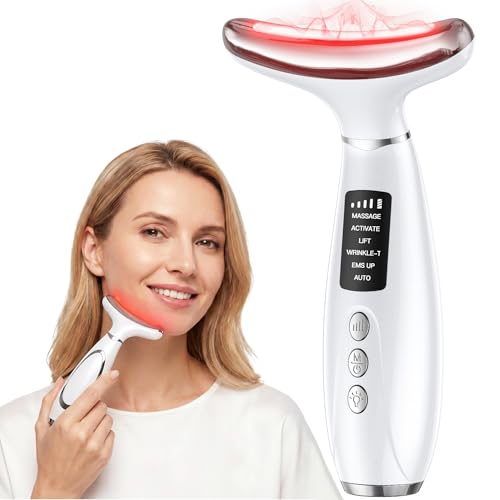
GIHWRRI Red Light Therapy for Face and Neck, 7-Color Face Massager Tool for Anti-Aging & Wrinkle Reduction, Rechargeable LED Phototherapy Device with Heat & Vibration, At-Home Skincare Gift for Women
7-Color Face Light Therapy Device: Red(640nm) helps improve skin firmness; Blue(415nm) helps improve the look of blemish-prone skin,…
As an affiliate, we earn on qualifying purchases.
As an affiliate, we earn on qualifying purchases.
Frequently Asked Questions
Are At-Home LED Devices Fda-Approved for Safety?
At-home LED devices aren’t universally FDA-approved for safety, as many aren’t subject to strict regulatory standards or device certifications. You should check whether a device has been cleared or approved by the FDA, which indicates it meets safety and effectiveness standards. Always read product labels and instructions, and consult healthcare professionals if you’re unsure about a device’s safety or regulatory status before use.
Can LED Devices Cause Long-Term Skin Damage?
No, LED devices won’t turn your skin into a permanent disaster, but overuse might cause some issues. Excessive exposure can lead to uneven skin pigmentation or affect collagen stimulation, potentially causing long-term skin damage. To stay safe, follow the manufacturer’s guidelines, limit usage, and consult a dermatologist if you notice any adverse effects. Proper use keeps your skin glowing without risking lasting harm.
What Are the Signs of LED Device Overuse?
If you overuse LED devices, you’ll notice signs like increased light sensitivity and skin irritation. Your skin might become red, tender, or inflamed, and you could experience discomfort when exposed to bright lights. You may also develop dryness or a burning sensation. Pay attention to these symptoms, reduce usage, and consult a dermatologist if they persist. Moderation helps prevent overuse and protects your skin’s health.
How Do I Choose a Safe At-Home LED Device?
You can’t afford to pick a risky LED device—imagine missing out on all the benefits! To choose a safe at-home LED device, check the device specifications for safety certifications and wavelength details. Read user reviews to see real experiences and potential issues. Opt for reputable brands known for quality and safety. This way, you ensure your treatment is both effective and safe, avoiding any unwanted side effects.
Are LED Devices Safe for All Skin Types?
LED devices are generally safe for most skin types, but you should consider your skin sensitivity and device compatibility. If you have sensitive skin, look for devices with gentle settings and consult the instructions or a dermatologist. Always do a patch test first to check for reactions. By choosing the right device and monitoring how your skin responds, you can safely benefit from at-home LED treatments.

Red Light Therapy for Face, 7 Color LED Facial Light Therapy Wand for Skin Care at Home Blue Light Therapy Face Massager Tool for Neck (White)
[Exquisite & Ergonomic Design] This skincare tool for the face is designed to be lovely dolphin-shaped, compact, and…
As an affiliate, we earn on qualifying purchases.
As an affiliate, we earn on qualifying purchases.
Conclusion
By understanding the safety guidelines for at-home LED devices, you can enjoy their benefits without worry. For example, imagine using an LED therapy mask and following the recommended duration—you’re reducing the risk of skin irritation. Staying informed about proper usage and device quality helps safeguard you. Ultimately, being cautious ensures your at-home LED treatments are both safe and effective, so you can confidently incorporate them into your wellness routine.
UV-free LED facial device
As an affiliate, we earn on qualifying purchases.
As an affiliate, we earn on qualifying purchases.
regulated at-home LED skincare device
As an affiliate, we earn on qualifying purchases.
As an affiliate, we earn on qualifying purchases.