
Even with similar specs, some LED devices feel stronger because factors like color temperature, beam angle, and component quality influence brightness perception. Cooler light and narrow beam angles make LEDs seem more intense, while high-quality components ensure consistent, flicker-free illumination that appears brighter. Environmental factors and light distribution also play a role. If you want to uncover how these subtle differences impact your experience, explore further to gain more insights.
Key Takeaways
- Higher color temperature can make LED light appear brighter and more intense, even at the same lumen level.
- Narrower beam angles focus light more tightly, enhancing perceived brightness and power.
- Better-quality optics and components produce more stable, flicker-free light, increasing perceived strength.
- Efficient light distribution and diffusers improve overall illumination, making LEDs seem more powerful.
- Environmental factors and ambient lighting conditions influence how bright LED devices appear to the eye.
Despite having similar specifications, many users report that LED devices often feel stronger or more effective than expected. This perception can be confusing, especially when the technical details don’t seem to justify the difference. One reason for this feeling lies in the way LED lighting interacts with your environment. The color temperature of the LED plays a crucial role here. A higher color temperature produces a cooler, bluish-white light, which can make a space feel brighter and more invigorating. Conversely, lower color temperatures emit warmer, yellowish tones, which might seem softer but less intense. When you choose an LED with a color temperature that aligns with your preferences or needs, the light can appear significantly stronger, even if the lumens are comparable. Additionally, the beam angle influences how concentrated or dispersed the light appears, impacting its perceived strength. Power efficiency also impacts how strong an LED appears in your space. LEDs are designed to convert electrical energy into visible light efficiently, but the perceived brightness can vary depending on how this efficiency is achieved. Some LEDs may deliver more usable light with less wattage, making them seem brighter because less energy is wasted as heat. This efficiency can enhance your experience, giving you the impression that the device is more powerful without increasing energy consumption. When you select an LED with higher power efficiency, you often get more effective illumination, which can feel more impactful in your setting. Additionally, the quality of the LED’s components influences how strong the light feels. Higher-quality LEDs tend to have better phosphor coatings and more precise manufacturing, producing a consistent, flicker-free light that appears brighter and more stable. This stability can make the light feel more potent, even if the lumen output matches other devices. The beam angle also matters; a narrower beam focuses light more intensely in a specific area, creating a perception of greater brightness. When you opt for LEDs with adjusted beam angles or better-quality optics, the light’s impact can seem more substantial. Furthermore, light distribution plays a role by affecting how evenly the light spreads across a space, which can influence the perceived intensity. A well-designed diffuser can also soften harsh shadows and improve overall light quality, further enhancing the perception of brightness. Moreover, ambient lighting conditions can influence how intense the light appears to your eyes, often amplifying the perceived strength of the LED. An understanding of how perceived brightness correlates with actual lumen output can help you select lighting that feels appropriately powerful for your environment. In essence, even with similar specs, factors like color temperature, power efficiency, component quality, and beam angle shape your perception of an LED’s strength. These elements influence how the light interacts with your space and your eyes, often making some devices feel more powerful than their technical ratings suggest. By understanding these nuances, you can choose LED lighting that not only meets your technical needs but also feels right for your environment, delivering the brightness and effectiveness you’re after.
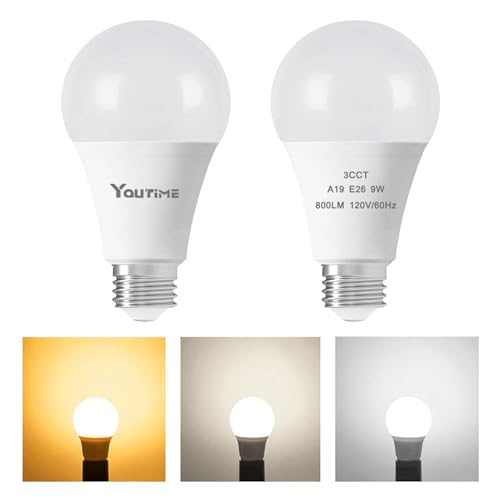
Youtime LED Light Bulb A19 3 Color Temperature 3000K-5000K-4000K,3CCT Color Changing Light Bulbs,Energy Saving 9W(60W Equivalent) LED Bulb,810LM for Bedroom,Living Room,2 Pack
- Three Color Temperatures: Adjustable 3000K, 4000K, 5000K
- Memory Function: Remembers last color setting
- Energy Efficient LED: 9W, 60W equivalent, 810 lumens
As an affiliate, we earn on qualifying purchases.
As an affiliate, we earn on qualifying purchases.
Frequently Asked Questions
Do Manufacturing Differences Affect Perceived LED Brightness?
Manufacturing inconsistencies in LED quality can definitely affect perceived brightness. Even if two LEDs have similar specs, differences in materials, assembly, and quality control can make one appear brighter or more intense. Variations in the LED’s internal components, such as chips and lenses, influence how light is emitted and perceived. So, manufacturing differences play a significant role in how strong an LED feels to you, despite comparable technical specifications.
How Does User Perception Influence LED Brightness Evaluation?
Your perception heavily influences how bright an LED seems, often more than the actual specs suggest. Perception biases and psychological effects can make a device feel like a supernova, even if it’s technically similar to others. Factors like ambient lighting, your expectations, and recent experiences shape your evaluation. So, what feels intensely bright might just be your mind’s way of amplifying the experience, making subjective perception the key player in brightness assessment.
Can Different LED Brands Have Varying Actual Intensities?
Yes, different LED brands can have varying actual intensities despite similar specs. This variation often results from differences in LED quality, manufacturing, and calibration. Higher-quality LEDs tend to have a longer lifespan and more consistent brightness. Additionally, power consumption impacts brightness; more efficient LEDs produce more light with less power. So, even with similar specs, actual performance can differ based on brand, quality, and how well the LED manages energy and longevity.
What Role Does Eye Sensitivity Play in LED Brightness Perception?
Did you know that about 20% of people experience heightened glare sensitivity? Your eye sensitivity considerably impacts LED brightness perception; if you have lower visual acuity or are more glare-sensitive, LEDs may seem brighter or harsher. This means your personal eye health and sensitivity levels influence how intense an LED appears, regardless of actual lumen output. So, even with similar specs, your perception varies based on how your eyes process light.
Do Color Temperatures Impact Perceived LED Strength?
Yes, color temperatures impact perceived LED strength because they influence color perception and visual impact. Cooler temperatures (bluish hues) often appear brighter and more intense, making LEDs seem stronger, even if specs are similar. Warmer tones (yellowish) tend to feel softer and less striking. Your eyes interpret these variations in color temperature, affecting how powerful the light seems, regardless of actual brightness levels.

GKOLED 30Watt Bullet LED Spotlight, Narrow Beam Angle COB LED Round Spotlight, 5000K Daylight White, 3350 Lumens, 120-277V, Outdoor Flag Pole Spot Lights Fixture, UL Listed
- Beam Angle: 20° narrow beam for focused lighting
- Brightness & Efficiency: 3350lm at 30W, 112lm/w efficiency
- Energy Savings: Up to 80% energy cost reduction
As an affiliate, we earn on qualifying purchases.
As an affiliate, we earn on qualifying purchases.
Conclusion
You might think similar specs mean similar performance, but that’s not always the case. Factors like build quality, LED quality, and even how the device is used can make one feel stronger than another. Don’t be fooled by numbers alone—trust your experience and consider the overall design. Sometimes, a better-made device offers a more effective, satisfying glow, proving that quality often outweighs just specifications.

PHILIPS LED 60W A19 4-Pack Basic Soft White (2700K) 800 Lumen (10W = 60W) Frosted Flicker-Free Light Bulbs
- EyeComfort Design: Flicker-free and glare-free lighting
- Long Lifespan: Up to 11,000 hours of use
- Warm White Light: 2700K soft white glow
As an affiliate, we earn on qualifying purchases.
As an affiliate, we earn on qualifying purchases.

LED Light Diffuser Board Diffusion Cover Sheet Anti-Glare for Soften Ceiling Light LED Downlight, Spotlight, Led Panel, Track Light (11.8×11.8×0.039in)
- Size: 11.8×11.8 inches
- Material: PC diffuser sheet
- Thickness: 0.039 inches
As an affiliate, we earn on qualifying purchases.
As an affiliate, we earn on qualifying purchases.