To prevent zingers during teeth whitening, prepare your teeth by using desensitizing toothpaste with potassium nitrate or stannous fluoride beforehand. Limit acidic foods and drinks, and avoid overusing whitening products to reduce enamel erosion. Use gentle brushing with a soft toothbrush and follow the recommended application guidelines. If sensitivity persists, consult a dental professional for tailored solutions. Discover more ways to keep your smile comfortable and bright.

Get wellness gear delivered free with Prime
- Fast, free delivery on millions of items
- Prime Video, Amazon Music and more included
- Member-only deals all year
Key Takeaways
- Use desensitizing toothpaste containing potassium nitrate or stannous fluoride before and after whitening treatments.
- Follow application guidelines carefully to prevent overexposure and enamel erosion.
- Maintain good oral hygiene with gentle brushing and avoid acidic foods and drinks.
- Incorporate remineralizing treatments and fluoride rinses to strengthen enamel.
- Consult your dentist for personalized advice and choose professional whitening options when possible.
Products Worth Considering

Therabody Theragun Relief Massage Gun, 3-Speed, Black

Therabody SmartGoggles 2nd Generation Heated Eye and Temple Massager

Levoit Core 300S-P Smart Wi-Fi Air Purifier
As an affiliate, we earn on qualifying purchases.
What Causes Sensitivity During Teeth Whitening?
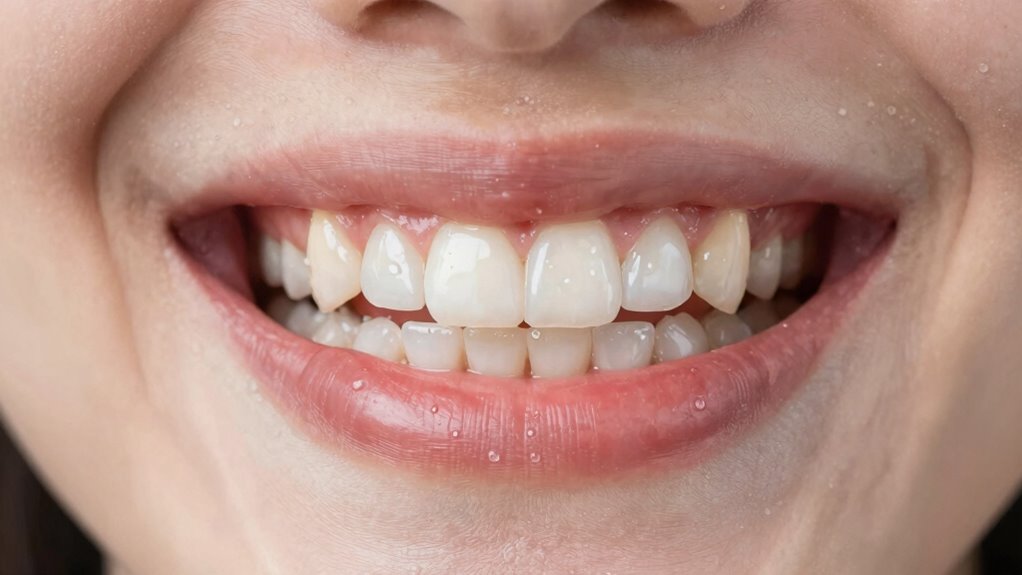
Sensitivity during teeth whitening occurs because the whitening agents, usually hydrogen peroxide or carbamide peroxide, temporarily open the tiny pores in your tooth enamel. This process allows the bleaching agents to reach the inner layers of your teeth, effectively breaking down stains. However, it also exposes the underlying dentin, which contains microscopic tubules connected to your tooth’s nerve. When these tubules are exposed, nerve irritation can happen, leading to that sharp, shooting pain during or after the treatment. Your tooth enamel acts as a protective barrier, but as it becomes more porous, it becomes less effective at shielding your nerves from temperature changes and chemical reactions. This is why sensitivity is common during whitening, especially if your enamel is thin or already compromised. Proper cleaning techniques can help maintain enamel health and reduce sensitivity during whitening procedures. Additionally, enamel erosion can exacerbate sensitivity, so taking steps to protect and strengthen your enamel is crucial. Using desensitizing toothpaste before and after whitening treatments can also help block nerve signals and reduce discomfort. Incorporating enamel strengthening tips into your oral care routine can further minimize sensitivity issues. Regular dental checkups are also essential to monitor and maintain enamel integrity and overall oral health.
How to Prepare Your Teeth to Minimize Whitening Zingers
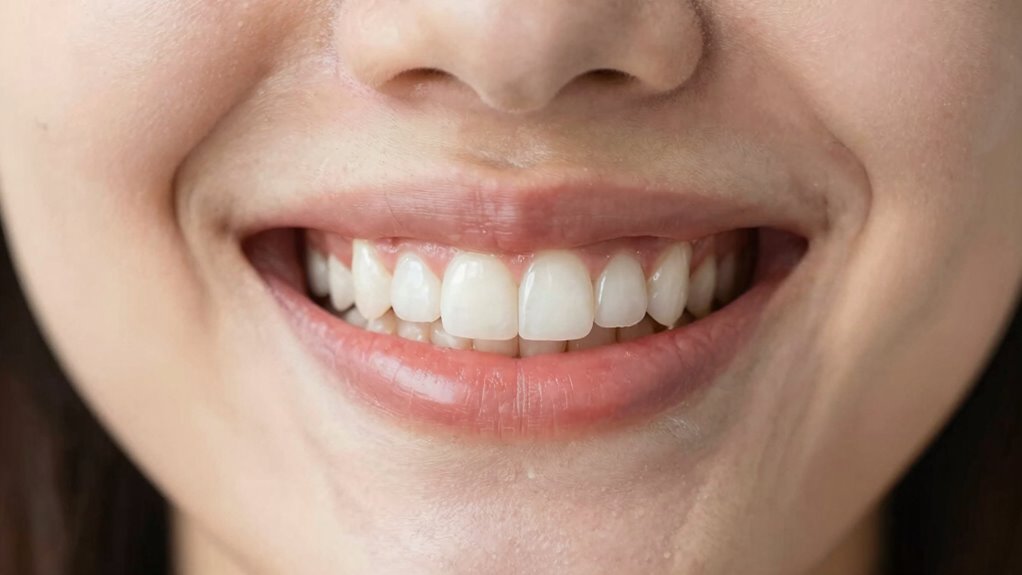
Preparing your teeth before whitening can considerably reduce the chances of experiencing zingers. Start by maintaining a balanced pH level in your mouth through gentle brushing and avoiding acidic foods that can weaken enamel. A stable pH helps protect your teeth from sensitivity triggers. Additionally, consider a fluoride treatment a few days before whitening. Fluoride strengthens enamel, making teeth more resilient to sensitivity caused by bleaching agents. You might also use desensitizing toothpaste designed to block nerve signals, which can build up resistance to discomfort. Avoid aggressive brushing or using harsh mouthwashes beforehand, as they can strip enamel and increase vulnerability. Ensuring proper pH balance maintenance creates a healthier, more fortified environment for whitening, greatly reducing the likelihood of zingers during and after your treatment. Incorporating remineralizing treatments can further enhance enamel strength and support overall tooth health. Consistent oral care routines, including regular professional cleanings, also contribute to a more resilient enamel surface. Maintaining a pH balance and enamel fortification can also enhance the overall effectiveness of the whitening process.
Effective Tips to Reduce Sensitivity During and After Whitening
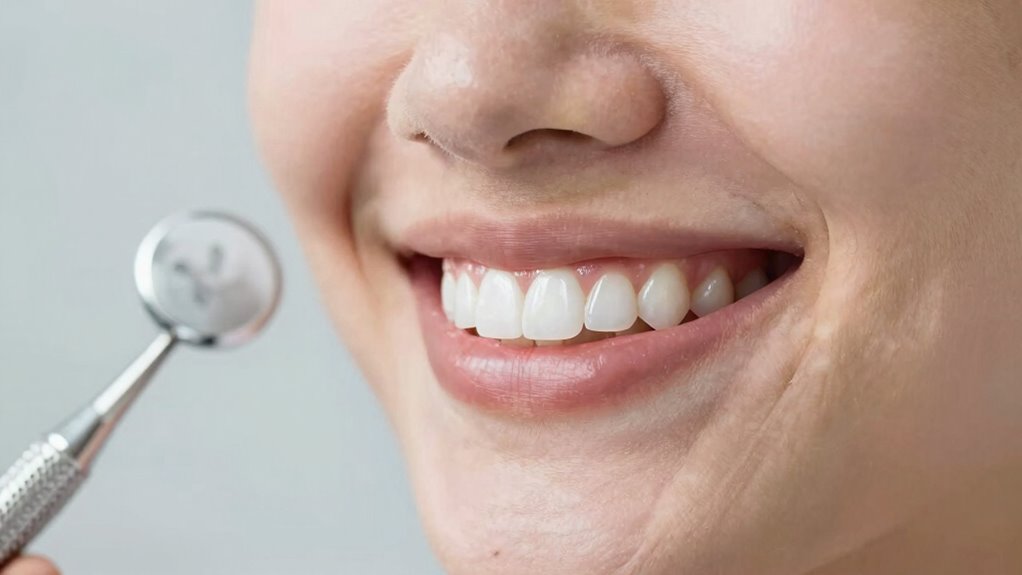
To minimize discomfort during and after whitening, it’s important to follow practical tips that protect your teeth. Understanding tooth anatomy helps you grasp why sensitivity occurs—mainly due to exposed dentin. Choosing whitening ingredients with gentler formulations can reduce irritation. Additionally, consider the following tips:
- Use desensitizing toothpaste before and after treatments to strengthen enamel.
- Avoid hot or cold beverages immediately after whitening to prevent triggers.
- Follow recommended application times to prevent overexposure to harsh ingredients.
- Maintain good oral hygiene, including gentle brushing to avoid damaging sensitive areas.
- Opt for projectors with high color accuracy and proper calibration to ensure clear visualizations of your dental images, which can help in monitoring your progress and ensuring effective treatment.
- Be aware that piercings in or around the mouth can sometimes cause irritation or impact your oral health, so consult with your dentist if you have existing oral piercings.
- Incorporate desensitizing treatments regularly into your dental care routine to further reduce sensitivity and strengthen your enamel.
- Understanding tooth structure can help you choose the best whitening approach and prevent unnecessary discomfort.
- Selecting professional whitening options over DIY kits can also help better control the process and reduce sensitivity risks.
These steps help safeguard your teeth’s structure and reduce sensitivity caused by active whitening ingredients, making your whitening experience more comfortable.
Which Products Help Protect Sensitive Teeth During Whitening?
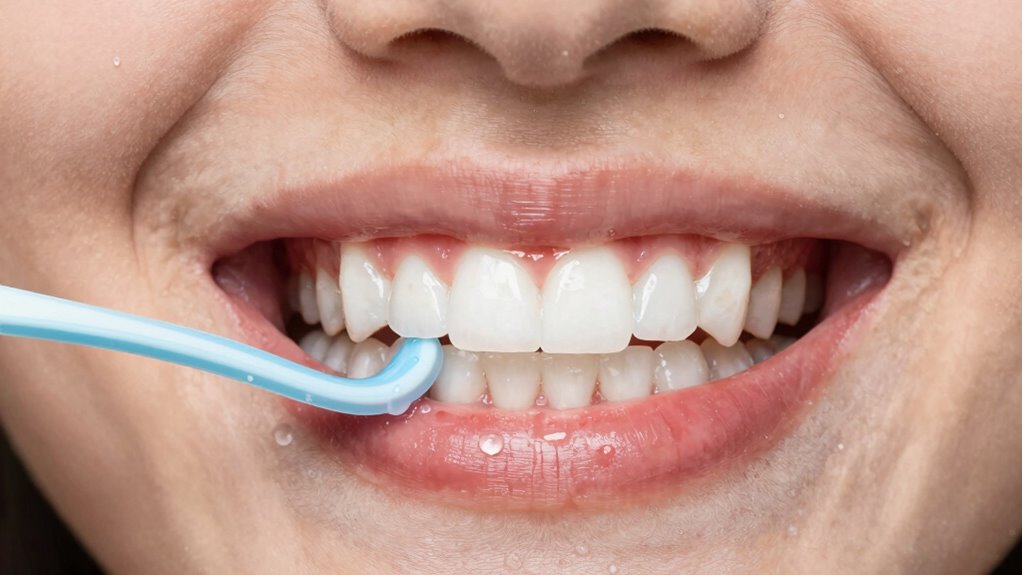
Choosing the right products can make a notably difference in protecting your teeth during whitening. Sensitive toothpaste is a top choice because it contains ingredients like potassium nitrate or stannous fluoride that help block nerve signals and reduce discomfort. Look for toothpaste labeled specifically for sensitivity, and use it regularly before, during, and after whitening treatments. Desensitizing gels are another effective option; they can be applied directly to sensitive areas to help strengthen enamel and block pain triggers. Some gels contain compounds like calcium phosphate or potassium nitrate, which provide additional protection. Combining these products with proper application techniques can substantially minimize discomfort. Additionally, understanding dental health considerations can help you choose products that are safe and effective for sensitive teeth. For example, selecting products that are compatible with your specific dental needs can enhance protection and overall results. Research shows that using gentle, enamel-safe products reduces the risk of further sensitivity or damage during whitening procedures. Always follow product instructions carefully and consult your dentist if sensitivity persists or worsens. Cookies used for site functionalities and personalized content can also play a role in enhancing your overall experience and protection during whitening.
When Should You See a Dentist About Persistent Sensitivity?
Persistent tooth sensitivity that lasts beyond a few days or worsens despite using special toothpaste or desensitizing gels indicates you should see a dentist promptly. Ongoing sensitivity could signal issues like enamel erosion or underlying dental problems that need professional assessment. Ignoring persistent discomfort can lead to further damage and compromised dental hygiene. You should consult a dentist if you notice:
- Sharp, shooting pain when consuming hot, cold, or sweet foods
- Sensitivity that interferes with daily activities
- Visible signs of enamel erosion or gum recession
- Unusual changes in tooth appearance or color
- Early detection of dental issues can prevent more serious problems later on.
Addressing these symptoms early helps prevent worsening sensitivity and preserves your dental health. A dentist can identify the root cause, recommend appropriate treatment, and help protect your teeth from further damage. Recognizing dental health issues early ensures timely intervention and better outcomes for your smile.
Frequently Asked Questions
Are There Natural Remedies to Alleviate Whitening Sensitivity?
Yes, you can use herbal remedies like chamomile or aloe vera gel to soothe sensitive teeth. Dietary adjustments, such as avoiding very cold or hot foods, help reduce sensitivity. Incorporate natural remedies into your routine, applying aloe vera directly to affected areas or drinking herbal teas to calm irritation. These methods can provide relief without harsh chemicals, making your whitening process more comfortable and effective.
How Long Do Whitening Sensitivity Zingers Typically Last?
Imagine a sharp lightning bolt coursing through your teeth—the sensitivity zingers typically last just a few seconds to a minute, but their duration varies. For symptom management, you might notice relief quickly or need a bit more time. Usually, they fade as your teeth adjust, but if they persist longer, consult your dentist. Knowing how long they last helps you prepare and manage discomfort effectively.
Can Certain Foods Worsen Teeth Whitening Sensitivity?
Yes, certain foods can worsen your teeth whitening sensitivity. Acidic foods like citrus and vinegar increase food acidity, which can irritate your teeth. Hot or cold beverages trigger temperature sensitivity, making zingers more intense. To minimize discomfort, avoid these foods after whitening treatments, and opt for lukewarm drinks and non-acidic snacks. This helps protect your enamel and reduces the likelihood of heightened sensitivity.
Is It Safe to Whiten Teeth With Existing Dental Restorations?
Think of your dental work as a shiny new car—whitening treatments can be like a fresh polish, but they might not suit your existing paint job. It’s safest to avoid whitening if you have dental bonding or tooth veneers, as these restorations don’t respond to bleaching agents the same way natural teeth do. Consult your dentist first; they can guide you to a safe plan that preserves your smile’s sparkle.
Do Professional Whitening Treatments Cause Less Sensitivity Than At-Home Kits?
Yes, professional whitening treatments typically cause less sensitivity than at-home kits. When you opt for professional whitening, your dentist customizes the procedure, uses stronger, controlled bleaching agents, and applies protective measures to minimize discomfort. At-home kits often contain higher concentrations of peroxide that may lead to increased sensitivity if not used properly. As a result, choosing professional whitening helps you achieve a brighter smile with fewer or less intense zingers.
Conclusion
By understanding what triggers sensitivity and taking proactive steps, you can keep your smile bright without the uncomfortable “zingers.” Think of your teeth as delicate instruments—tuned properly, they perform beautifully; neglected, they hit dissonant notes. With the right products and precautions, you’ll prevent discomfort from spoiling your whitening journey. Remember, if sensitivity persists, don’t hesitate to seek professional advice—your dentist can help turn the volume back to harmony.