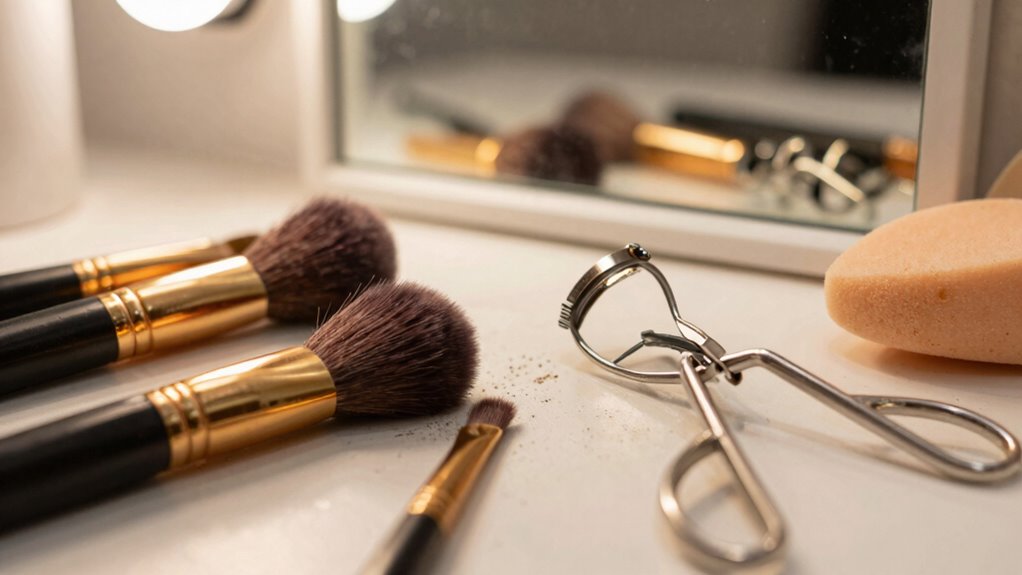

Sharing beauty tools may seem harmless, but it quietly exposes you to bacteria, fungi, and microorganisms that can cause infections like conjunctivitis and skin irritations. Most basic cleaning methods aren’t enough to kill these germs, making tools potential hotspots for cross-contamination. When you share or don’t disinfect properly, you risk spreading skin conditions and infections easily. To protect your health and beauty, it’s important to understand how germs survive and the best ways to keep your tools clean—there’s more to discover that could make a big difference.

Get wellness gear delivered free — and shop member deals
- Fast, free delivery on millions of items
- Access to Prime Big Deal Days deals on October 6–7
- Prime Video, Amazon Music and more included
Key Takeaways
- Sharing beauty tools transfers bacteria, fungi, and microorganisms, increasing infection risks.
- Microorganisms can survive basic cleaning, making shared tools a hidden health hazard.
- Cross-contamination during salon visits or among friends spreads skin infections and irritations.
- Proper sterilization and regular cleaning are essential to prevent hidden microbial buildup.
- Using personal tools and avoiding sharing significantly reduces health and skin issues.
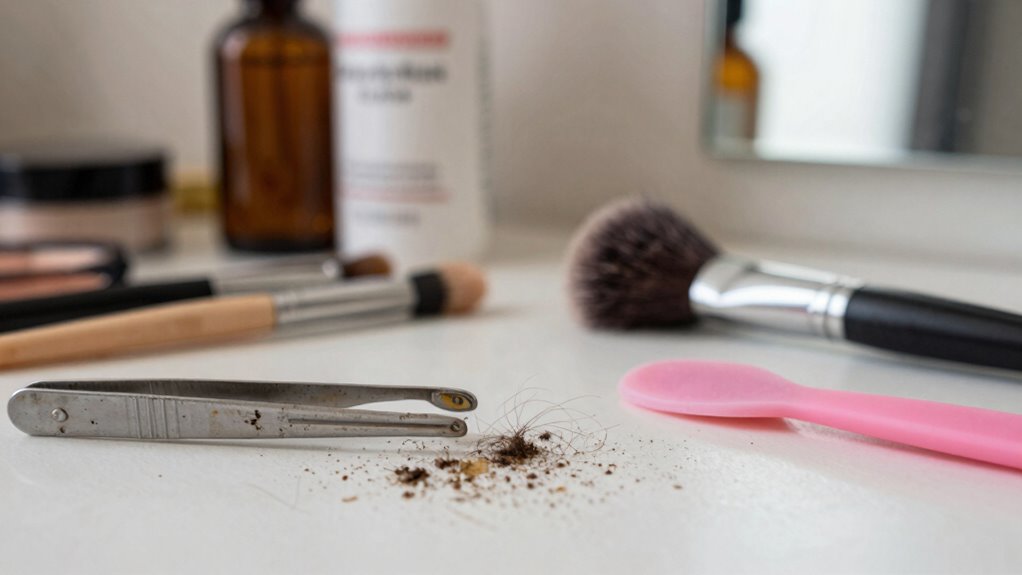
Have you ever wondered if sharing beauty tools is safe? It’s a common practice among friends and family, especially when trying to save money or be convenient. But what many don’t realize is that this seemingly harmless act can pose serious health risks. The key issue lies in hygiene practices. When you share tools like razors, brushes, or tweezers, you’re not just passing along makeup tips—you’re potentially transferring bacteria, fungi, and other microorganisms. These hygiene practices are often overlooked, and without proper cleaning, the tools become hotspots for germs. Most people don’t think about how easily pathogens can cling to the surfaces of these tools, especially if they’re used on different parts of the body or on different skin types.
Cross contamination risks skyrocket when you share beauty tools. For instance, using the same eyelash curler or tweezers on someone else’s eyes can transfer bacteria that cause infections like conjunctivitis or styes. Similarly, sharing a razor can spread skin infections, including fungal and bacterial infections, which might lead to painful breakouts or worse. Even if a tool appears clean, microscopic bacteria can still lurk, making sterilization crucial. Without proper hygiene practices, you’re not only risking your own health but also putting others at risk. It’s easy to assume that rinsing tools with water is enough, but that’s rarely sufficient. Many microorganisms can survive basic cleaning methods, especially if tools aren’t disinfected with alcohol or specialized cleaners afterward.
The danger amplifies when sharing tools during close contact, such as at salons or with friends. Each person’s skin bacteria, oil, and debris can be transferred to the next user. This cycle increases the likelihood of skin irritations, infections, or even outbreaks of contagious conditions. People often underestimate how quickly germs can spread through shared beauty tools. The best way to protect yourself is to adopt good hygiene practices—clean tools thoroughly after each use, avoid sharing, and replace items like razors regularly. Investing in your own set of tools and keeping them sanitized not only safeguards your health but also ensures you’re doing your part to prevent cross contamination risks. Additionally, understanding the importance of proper sterilization techniques can significantly reduce these risks. Recognizing the role of microbial environments in the survival of germs on surfaces can help you develop more effective cleaning routines. Remember, your beauty routine shouldn’t come at the expense of your health.
As an affiliate, we earn on qualifying purchases.
Frequently Asked Questions
Can Sharing Beauty Tools Cause Skin Allergies or Irritation?
Sharing beauty tools can definitely cause skin allergies or irritation. When you share, you risk transferring allergy triggers like bacteria, fungi, or residual product, which can lead to irritation causes such as redness, itching, or breakouts. Your skin may react to these irritants, especially if you have sensitive skin. To protect yourself, it’s best to avoid sharing tools and keep them clean, reducing the chance of allergy triggers and irritation causes.
How Often Should Beauty Tools Be Disinfected After Sharing?
Think of your beauty tools as tiny guardians of your skin’s health. You should disinfect them after each sharing session, ideally daily, to uphold high hygiene standards. Regular product sterilization acts as a shield, preventing bacteria buildup and potential infections. By making disinfection a routine, you guarantee your tools stay pure and safe, safeguarding your skin from hidden dangers that come with neglecting hygiene standards.
Are Certain Beauty Tools More Prone to Harboring Bacteria?
Certain beauty tools are more prone to harboring bacteria, especially those made from porous materials like natural brushes or sponges, as they absorb moisture and dirt more easily. Tools with plastic or metal surfaces are less likely to trap bacteria if disinfected regularly. Proper storage safety is essential; keep tools in clean, dry places to prevent bacterial growth. Regular cleaning and choosing non-porous materials help reduce health risks associated with sharing beauty tools.
Does Sharing Makeup Brushes Increase the Risk of Infections?
Sharing makeup brushes definitely increases your risk of infections due to bacterial contamination. When you share, bacteria and germs transfer easily from one person to another, which can cause breakouts, skin irritation, or even more serious infections. To maintain proper makeup hygiene, always clean your brushes regularly and avoid sharing them. This simple habit helps protect your skin and keeps you from potential health issues related to bacterial contamination.
What Are the Best Practices for Safely Sharing Beauty Tools?
To safely share beauty tools, always follow proper sharing etiquette, like cleaning tools thoroughly after each use. Store your beauty tools in a clean, dedicated beauty tool storage to prevent contamination. When sharing, use disinfectant sprays or alcohol wipes on brushes and tools, and avoid sharing sponges or makeup directly. Proper maintenance and respectful sharing habits minimize infection risks and keep your skin healthy.
As an affiliate, we earn on qualifying purchases.
Conclusion
Remember, sharing beauty tools might seem simple, but it’s a sneaky source of skin struggles. Stay vigilant, sterilize swiftly, and steer clear of cross-contamination concerns. By being bold about banning shared brushes and blenders, you protect your pretty, pristine complexion. Don’t let careless sharing sabotage your skincare routine. Take charge, stay safe, and safeguard your surface—because your beauty deserves your best, not bacteria. Stay smart, stay spotless, and keep your glow glowing!
professional sterilizer for beauty tools
As an affiliate, we earn on qualifying purchases.
As an affiliate, we earn on qualifying purchases.
antibacterial makeup brush cleaner
As an affiliate, we earn on qualifying purchases.
As an affiliate, we earn on qualifying purchases.
Fall Picks
fall essentials
As an affiliate, we earn on qualifying purchases.