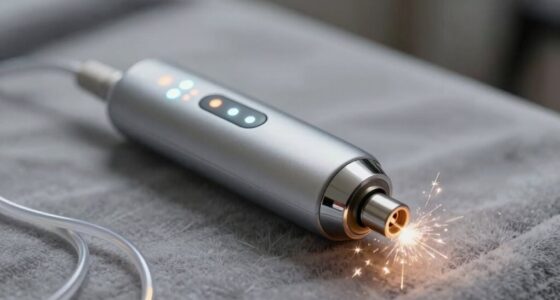
RF treatments can tighten your skin and improve its surface, making cellulite look smoother over time. It stimulates collagen production, but it won’t fully eliminate deep or severe cellulite, especially if skin laxity is significant. Multiple sessions are usually needed, and results develop gradually. While effective for stubborn areas like thighs or hips, RF has its limits. To discover more about how it may work for you, keep exploring the details below.

Get wellness gear delivered free with Prime
- Fast, free delivery on millions of items
- Prime Video, Amazon Music and more included
- Member-only deals all year
Key Takeaways
- RF treatment can improve skin tightening, elasticity, and surface smoothness but cannot completely eliminate cellulite.
- It provides modest, gradual results primarily on thighs, hips, abdomen, and flanks.
- RF is less effective for severe, deeply rooted cellulite or significant skin laxity.
- Multiple sessions are needed; results develop over 2-3 months with consistent treatment.
- For stubborn or advanced cellulite, surgical options or combined therapies may be necessary.
Products Worth Considering

Withings ScanWatch Light Hybrid Smartwatch – White

Philips Sonicare 7300 Rechargeable Electric Toothbrush with 3 Brush Heads, Black

Theragun Therabody Relief Massage Gun – 3 Speed, Black
As an affiliate, we earn on qualifying purchases.
What Is RF Treatment for Cellulite and How Does It Work?

Radiofrequency (RF) treatment for cellulite is a non-invasive procedure that uses targeted heat energy to improve skin texture and firmness. It works by stimulating collagen production, which helps tighten the skin and smooth out dimples. When performed correctly, RF is considered safe, with minimal risk and little to no downtime. Ensuring radiofrequency safety involves using certified devices and experienced practitioners. As the heat penetrates deep into the skin, it encourages skin tightening, making the surface appear smoother and more even. You’ll notice immediate warmth during the treatment, and skin firmness gradually improves over subsequent sessions. RF treatment offers a comfortable, effective way to reduce the appearance of cellulite without surgery, promoting healthier, tighter skin. Additionally, understanding neural interface technology can help improve the safety and efficacy of these procedures by ensuring precision and controlled energy delivery. Incorporating advanced safety protocols can further minimize potential risks and enhance treatment outcomes, especially when considering the importance of device calibration for optimal safety and results.
Which Body Areas Respond Best to RF?

You’ll find that RF treatments work best on your thighs and hips, where cellulite is most stubborn. The abdomen and flanks also respond well, helping to smooth out those problem areas. Knowing which zones respond best can help you target your sessions more effectively. Incorporating simple exercises and mobility tips can further enhance your overall skin tone and confidence. Additionally, understanding cabling and installation considerations can ensure your treatment devices are set up safely and effectively, maximizing results. Being aware of accessibility features can also make it easier to incorporate RF treatments into your routine comfortably. Recognizing safety protocols is essential to prevent any adverse effects during your treatment sessions. Moreover, paying attention to home maintenance tips can prolong the benefits of your skin improvements.
Thighs and Hips
When it comes to targeting cellulite, the thighs and hips often respond best to RF treatments because these areas tend to have thicker skin and more stubborn fat deposits. RF effectively promotes muscle toning and skin tightening, making these zones more resilient to cellulite. You’ll notice improvements in firmness and smoothness as RF stimulates collagen production. To better understand, consider this comparison:
| Area Focus | Results You Can Expect |
|---|---|
| Thighs | Reduced dimpling, improved skin elasticity |
| Hips | Enhanced firmness, better contouring |
| Muscle Toning | Firmer muscles beneath the skin |
| Skin Tightening | Smoother, tighter surface |
| Fat Reduction | Slight reduction in stubborn deposits |
This targeted approach helps improve the appearance of cellulite on your thighs and hips efficiently.
Abdomen and Flanks
Curious about which areas respond best to RF treatments on your abdomen and flanks? These areas are ideal for RF because they often benefit from both fat reduction and skin tightening. RF energy penetrates deep into your tissues, stimulating collagen production and improving skin elasticity, which helps tighten loose or sagging skin. It also targets fat cells, promoting fat reduction in stubborn areas that resist diet and exercise. The abdomen and flanks tend to respond well because they have a good amount of subcutaneous tissue, making them receptive to RF’s dual action. Additionally, understanding the environmental impact of tissue paper can inspire more eco-friendly choices in your skincare routine, aligning with sustainable practices. Moreover, these areas often have better tissue composition, which enhances the effectiveness of RF treatments. The skin in these regions can be more responsive due to their typical body fat distribution, making RF an effective option. With consistent treatments, you can see a more toned, smoother appearance, enhancing your body contour and boosting confidence. RF therapy can be an effective option for addressing both fat and skin issues in these common trouble spots. Incorporating proper safety precautions ensures a safer treatment experience and better results. Additionally, the regenerative capacity of collagen in these areas contributes to more noticeable improvements over time.
What Results Can You Expect From RF for Cellulite?

Results from RF treatments for cellulite can vary depending on individual factors, but many people notice visible improvements after a few sessions. You may see tighter skin and a smoother appearance, thanks to RF’s ability to promote skin tightening and fat reduction. While RF isn’t a magic fix, it can help improve the texture and firmness of your skin. Keep expectations realistic: some results are subtle and develop over time. The following table highlights potential outcomes:
| Expected Benefits | Limitations |
|---|---|
| Improved skin tightening | Complete cellulite removal |
| Slight fat reduction | Rapid results not typical |
| Smoother skin texture | Requires multiple sessions |
| Enhanced firmness | Not a substitute for weight loss |
| Long-lasting effects | Results vary by individual |
How Many RF Sessions Are Usually Needed?
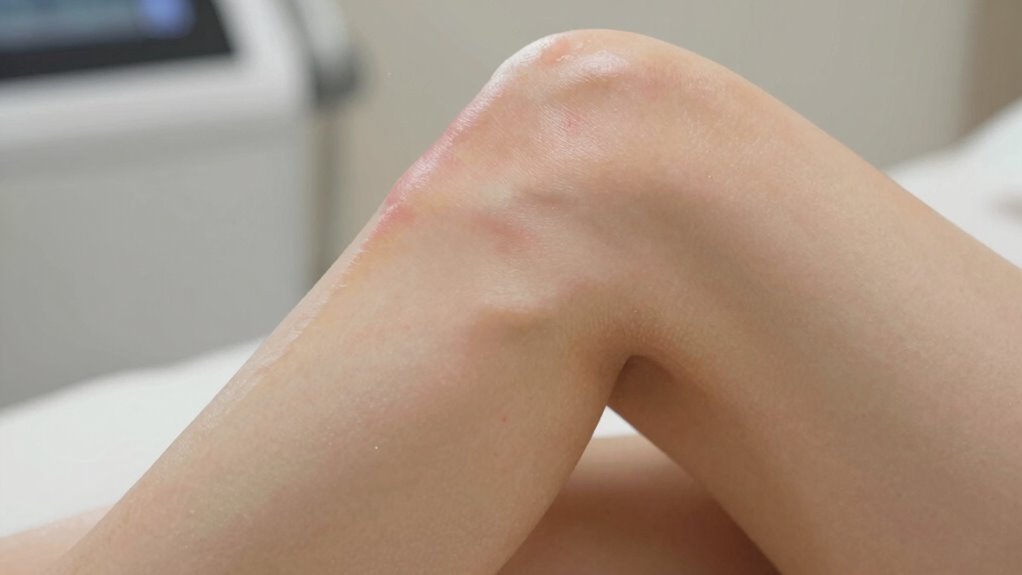
The number of RF sessions you’ll need depends on your individual goals and the severity of your cellulite. Typically, a series of 6 to 10 treatments is recommended, with sessions scheduled 1 to 2 weeks apart. This session frequency allows your body to respond gradually and effectively to the treatment. Most people start seeing noticeable improvements after 3 to 4 sessions, with results continuing to improve as treatment progresses. The overall treatment duration varies but usually spans about 2 to 3 months. Keep in mind that more severe cellulite may require additional sessions for ideal results. Consistency is key, and your provider will help tailor the treatment plan based on your specific needs and desired outcomes.
What Are the Limitations of RF for Cellulite?

While RF treatments can improve the appearance of cellulite, they do have limitations. RF mainly targets superficial layers and offers only limited deep tissue effects, which are necessary for significant skin tightening or altering the underlying fat structure. If your cellulite is severe or deeply rooted, RF might not produce dramatic results. It’s also less effective for those with loose, sagging skin caused by significant aging or weight loss. Additionally, RF can’t completely eliminate cellulite; it can only improve its appearance. Multiple sessions are often needed, and individual results vary depending on skin type and cellulite severity. Keep in mind, RF is not a miracle cure—it’s a tool that offers modest improvements, especially when expectations are realistic.
Is RF Safe? Risks and Side Effects to Know

Radiofrequency (RF) treatments are generally considered safe when performed by trained professionals, but like any cosmetic procedure, they do carry some risks and potential side effects. It’s important to understand safety considerations before proceeding. Common potential side effects include:
- Mild redness or swelling
- Temporary discomfort or sensation of heat
- Rare burns or skin discoloration
- Risk of infection if not properly managed
Proper technique and equipment are essential to minimize these risks. Ensuring that the provider adheres to clinical safety standards helps reduce the likelihood of adverse effects. Most side effects are minor and resolve quickly. Using professional training and certification can further reduce the risk of complications. In addition, selecting providers with experience in RF treatments can improve safety outcomes. Ensuring your provider uses proper techniques and equipment minimizes risks. Always discuss your medical history and any concerns beforehand. Additionally, adherence to safety protocols is crucial in preventing complications during RF procedures. While RF is safe for many, understanding these safety considerations helps you make informed decisions for your cellulite treatment.
Are You a Good Candidate for RF Cellulite Treatment?

Deciding if RF cellulite treatment is right for you depends on several factors, including your skin’s condition and overall health. Age suitability plays a role, as younger individuals often have better skin elasticity, which can enhance treatment results. If your skin still maintains good elasticity, you’re more likely to see noticeable improvements, since RF works by stimulating collagen production. However, if your skin has become lax or if you have underlying health issues, RF may be less effective or not recommended. It’s important to have realistic expectations and consult with a qualified provider to assess your skin’s condition. Ultimately, your suitability depends on your skin’s ability to respond to the treatment, which is closely tied to age and elasticity. Additionally, aquatic exercise can promote circulation and skin health, potentially supporting your overall skin condition. Incorporating activities like low-impact workouts can further enhance skin tone and elasticity, which may boost collagen levels, complementing RF therapy. Engaging in sound healing practices may also help reduce stress, which can negatively impact skin health and recovery.
RF vs. Other Non-Invasive Cellulite Treatments: Which Is Better?

When comparing RF treatment to other non-invasive options for cellulite reduction, it’s important to contemplate how each method targets the problem. RF heats tissue to stimulate collagen, tightening skin. In contrast, laser comparison focuses on delivering light energy to break down fat and improve skin texture. Ultrasound differences involve using sound waves to target deeper fat layers without affecting the surface skin.
RF heats tissue to stimulate collagen, while laser and ultrasound target fat and skin texture with minimal downtime.
Consider these options:
- RF promotes collagen remodeling for skin firmness.
- Laser treatments can reduce fat and improve skin texture simultaneously.
- Ultrasound offers deep fat reduction with minimal downtime.
- RF generally has fewer side effects compared to laser procedures.
Choosing the best depends on your specific goals and skin type, but understanding these differences helps you make an informed decision.
Tips to Maximize Your RF Cellulite Results
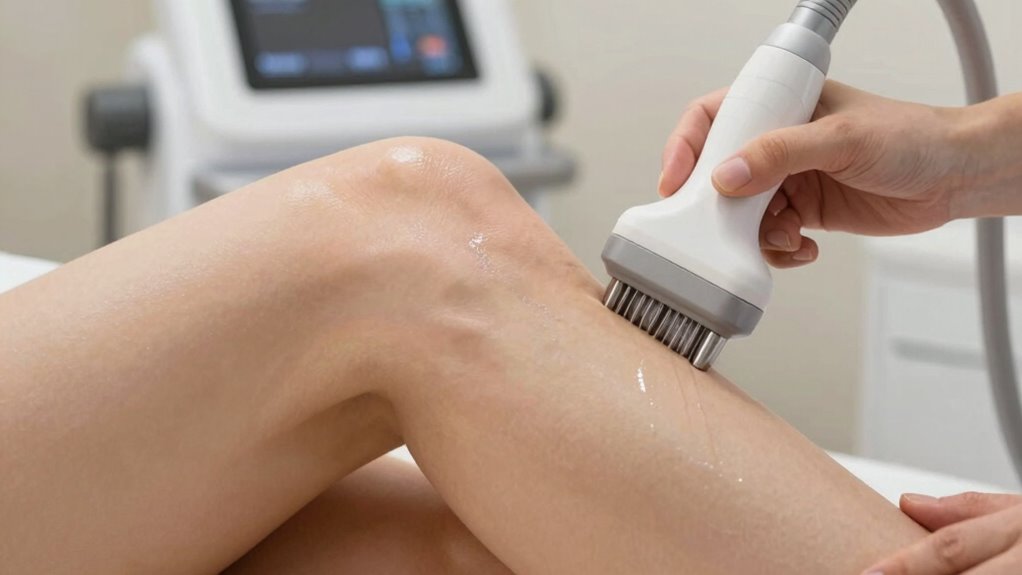
To get the best results from RF treatments, stick to a consistent schedule and follow your provider’s recommendations. Staying hydrated and caring for your skin can also enhance your progress. Plus, adopting healthy habits like proper nutrition and regular exercise supports long-term improvements.
Consistent Treatment Schedule
Maintaining a consistent treatment schedule is essential for maximizing your RF cellulite results. Sticking to an ideal treatment frequency ensures your body responds effectively, while proper session scheduling keeps progress steady. Here are four tips to help you stay on track:
- Follow your provider’s recommended treatment frequency for best results.
- Book sessions at regular intervals to maintain momentum.
- Avoid skipping appointments, as gaps can reduce effectiveness.
- Keep a treatment calendar or reminder system to stay organized.
Hydration and Skin Care
Staying well-hydrated and caring for your skin are key to enhancing your RF cellulite treatment results. Proper skin hydration helps maintain elasticity, making your skin more receptive to treatment. Use topical skincare products containing ingredients like hyaluronic acid or antioxidants to support skin health and firmness. Consistent hydration and skincare create a foundation for ideal results. To deepen your understanding, consider this table:
| Hydration Tips | Topical Skincare Focus | Benefits |
|---|---|---|
| Drink plenty of water | Use moisturizer | Improves skin elasticity |
| Limit alcohol intake | Apply sunscreen | Protects against damage |
| Eat water-rich foods | Use firming serums | Enhances skin texture |
| Avoid excessive caffeine | Exfoliate regularly | Promotes smoother skin |
| Use hydrating masks | Keep skin clean | Boosts overall skin health |
Healthy Lifestyle Choices
Adopting healthy lifestyle habits can substantially boost your RF cellulite treatment results. By making simple changes, you can enhance skin firmness and reduce the appearance of cellulite. Focus on these key strategies:
- Incorporate diet modifications that emphasize whole foods, lean proteins, and reduce processed sugars.
- Establish consistent exercise routines, combining cardio and strength training to improve circulation and muscle tone.
- Limit alcohol and smoking, which can impair skin health and slow healing.
- Prioritize quality sleep to support skin regeneration and overall well-being.
These habits complement RF treatments by promoting healthier skin and connective tissues. Staying committed to these lifestyle choices maximizes your results and promotes long-term improvements.
When Should You Consider Other Options Besides RF?

While RF treatments can be effective for some individuals, there are situations when exploring other options makes more sense. If your cellulite is severe or resistant to non-invasive treatments, alternative therapies might not deliver the desired results. In such cases, surgical options like liposuction or subcision could be more appropriate. Additionally, if you have underlying medical conditions or skin laxity that RF can’t adequately address, considering these more invasive procedures is wise. It’s also worth noting that RF might not be suitable if you’re seeking rapid or dramatic improvements. Consulting with a qualified specialist can help you evaluate whether alternative therapies or surgical options better align with your goals and expectations.
Frequently Asked Questions
How Long Do RF Treatment Results Typically Last?
Your RF treatment results typically last around 1 to 2 years, but treatment longevity varies depending on your skin’s condition and lifestyle. To maintain your improvements, you should follow a consistent maintenance routine, which may include periodic sessions and healthy habits like hydration and exercise. Regular touch-ups help prolong the benefits, ensuring you enjoy smoother, firmer skin for a longer period.
Can RF Be Combined With Other Cellulite Treatments?
Ever wondered if combining treatments boosts results? Yes, RF can be paired with other cellulite therapies for greater treatment synergy. Combining RF with techniques like massage, laser, or acoustic wave therapy enhances skin tightening and improves overall appearance. This combination therapy targets different layers and causes of cellulite, offering a more extensive approach. Always consult your specialist to develop a personalized plan that maximizes benefits and minimizes risks.
Is There Any Downtime After RF Sessions?
After RF sessions, you typically experience minimal downtime, allowing you to resume daily activities quickly. Some people might notice slight treatment discomfort or redness, but these usually subside within a few hours to a day. Recovery time is minimal, so you won’t need extended rest. If you’re concerned about side effects, discuss your expectations with your provider beforehand. Overall, RF treatments offer a convenient option with little interruption to your routine.
Does Skin Type Affect RF Treatment Effectiveness?
Your skin type can influence RF treatment effectiveness because skin elasticity varies among individuals. People with more elastic skin often see better results, as the procedure stimulates collagen production effectively. To maximize benefits, your provider customizes treatment settings based on your skin’s unique characteristics. While RF works well for many, understanding your skin type helps set realistic expectations and guarantees tailored treatment plans for ideal outcomes.
Are There Age Restrictions for RF Cellulite Treatments?
Age considerations do play a role in RF cellulite treatments, but generally, most adults are eligible. You should discuss your treatment eligibility with your provider, especially if you’re over 50 or have underlying health conditions. They’re best equipped to evaluate your individual situation and determine if you’re a suitable candidate. Keep in mind that younger patients often see quicker results, but age alone isn’t necessarily a barrier.
Conclusion
If you’re considering RF for cellulite, know that about 70% of patients see noticeable improvements, especially in targeted areas. While it can smooth skin and improve texture, it won’t eliminate all cellulite completely. To get the best results, follow your provider’s advice and be patient. Remember, combining treatments or exploring other options might be necessary for ideal results. Stay realistic, and you’ll be better prepared to make the right choice for your body.