
You should be extra cautious when using RF and microcurrent around your eyes, neck, and jawline because their skin is thinner and more sensitive. The forehead and brow area also need gentle treatment to avoid redness or irritation. Be careful over scars, moles, or irregularities, as these areas can react unpredictably. Always start with lower settings and follow safety guidelines. If you’d like to discover more about safe zones, keep exploring these essential tips.

Get wellness gear delivered free — and shop member deals
- Fast, free delivery on millions of items
- Access to Prime Big Deal Days deals on October 6–7
- Prime Video, Amazon Music and more included
Key Takeaways
- Eyes area, due to thin, delicate skin and increased sensitivity, requires careful distance and lower settings.
- Neck and jawline, with thinner skin and nerve endings, need cautious application to prevent irritation.
- Forehead and brow areas demand gentle treatment to avoid redness or overexposure from heat or microcurrent.
- Skin irregularities like scars and moles should be approached with caution, consulting professionals if necessary.
- Regions with existing skin issues or sensitivities should be treated carefully, respecting skin signals and safety guidelines.
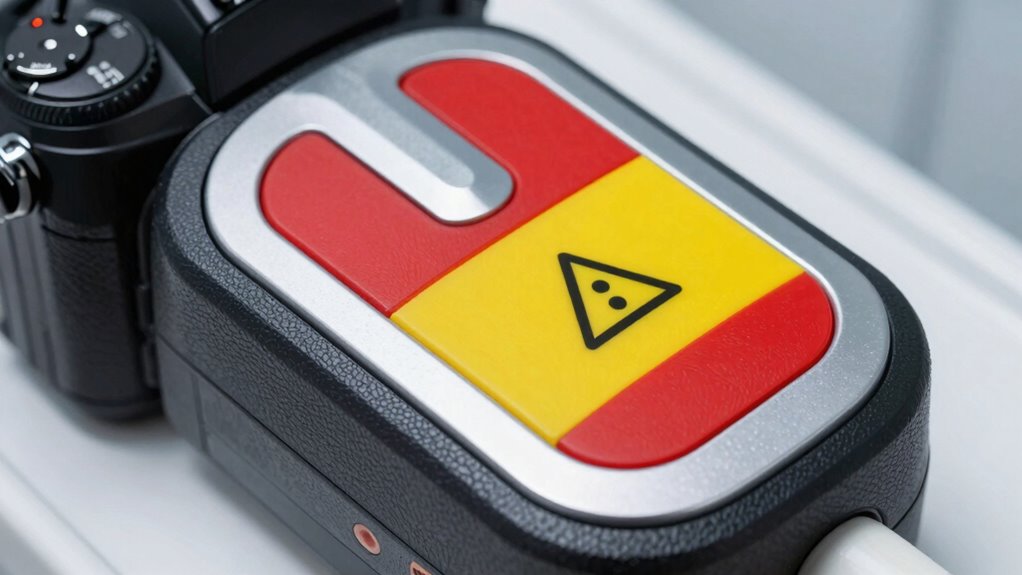
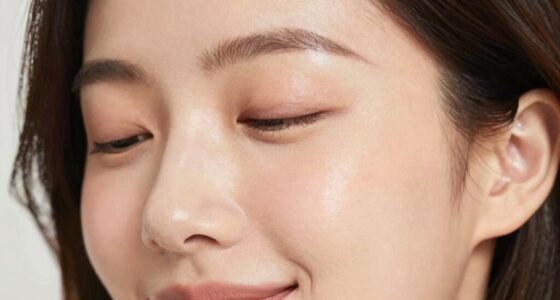
Radiofrequency (RF) and microcurrent treatments can deliver impressive results, but it’s crucial to understand their caution zones. Knowing where to exercise extra care ensures you get the benefits without risking adverse effects. One of the most critical areas to watch is around the eyes. The skin here is delicate and thinner than other parts of your face, making it more vulnerable to irritation and damage. When working near the eyes, make sure your device is designed for sensitive skin and that you’re using it with appropriate settings. Overuse or improper application can lead to discomfort, redness, or even temporary eyelid drooping. Always follow manufacturer guidelines and consult with a professional if you’re unsure about safe distances or techniques.
Exercise extra caution around the eyes to prevent irritation and damage during RF and microcurrent treatments.
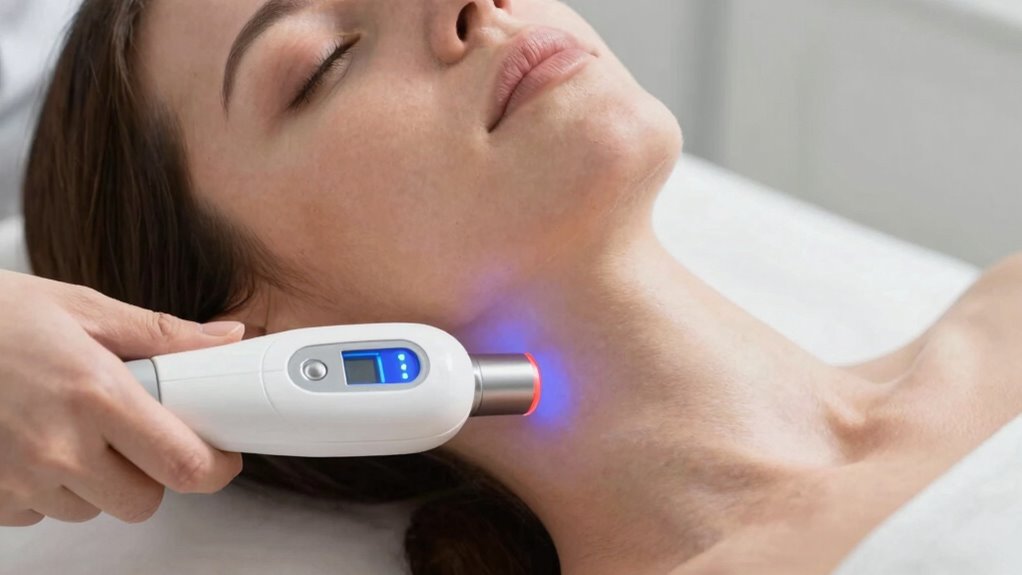
Another zone that demands caution is the neck and jawline. These regions have thinner skin and more nerve endings, which can make them more sensitive to RF and microcurrent signals. If you apply treatments too aggressively or use high intensity settings, you might experience skin sensitivity or irritation. Pay close attention to your skin’s reactions during a session. If you notice excessive redness, tingling, or discomfort, it’s wise to pause and reassess your technique. Using a device with built-in safety features or adjustable intensity helps protect these vulnerable areas, preventing overstimulation or damage. Additionally, being aware of skin sensitivity can help you tailor treatments to your comfort level and avoid overdoing it. Incorporating knowledge about skin resilience can further inform how frequently and intensely you should treat these areas. Recognizing individual skin responses can also guide you in customizing your treatment plan for optimal safety and results.
Your forehead and brow area also require careful handling. The skin here is often more elastic and prone to fine lines, but it’s also sensitive. Excessive heat from RF or too much microcurrent can lead to skin sensitivity, especially if you have pre-existing skin conditions or are prone to redness. Use lower settings initially and increase gradually as your skin tolerates. Remember, device safety involves not just the device’s design but also your awareness of how your skin responds. Always do a patch test before full treatments and avoid overlapping passes to reduce the risk of irritation. Understanding skin tolerance can be a helpful guide in preventing overexposure and irritation.
Additionally, be cautious around scars, moles, or any skin irregularities. Applying RF or microcurrent treatments over these areas can cause uneven results or exacerbate skin sensitivities. If you have concerns or underlying skin issues, it’s best to consult a dermatologist before proceeding. Being aware of RF and microcurrent safety can help prevent complications and ensure optimal results. Overall, respecting these caution zones and listening to your skin’s signals will help you harness the power of RF and microcurrent treatments safely. Proper device safety measures, combined with an understanding of skin sensitivity, ensure you enjoy their benefits without unnecessary risks.
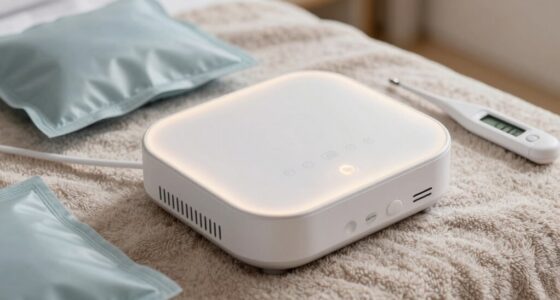
RF microcurrent facial device for sensitive skin
As an affiliate, we earn on qualifying purchases.
As an affiliate, we earn on qualifying purchases.
Frequently Asked Questions
Can RF or Microcurrent Treatments Affect Pregnancy or Fertility?
RF and microcurrent treatments can affect pregnancy or fertility, especially if hormonal changes or skin sensitivity are involved. During pregnancy, hormonal shifts may make your skin more reactive, and microcurrent or RF could cause discomfort or unintended effects. It’s best to avoid these treatments while pregnant or trying to conceive, as they might influence hormonal balance or skin response, potentially impacting fertility or pregnancy safety. Always consult your healthcare provider first.
Are There Specific Skin Conditions That Contraindicate RF or Microcurrent Use?
If you have skin sensitivity or certain skin conditions like active infections, rashes, or open wounds, you should avoid RF or microcurrent treatments. These conditions can make your skin more reactive, and using devices might cause irritation or worsen the issue. Always verify device safety by consulting with a qualified professional beforehand. They can assess your skin and recommend the safest approach, preventing any adverse reactions.
How Long Should I Wait After Other Skincare Procedures Before RF or Microcurrent?
Timing is everything, so don’t rush into RF or microcurrent treatments right after other skincare procedures. Wait at least 48 to 72 hours to allow your skin to settle and avoid irritation. If your skin is sensitive, give it extra time. Proper treatment scheduling guarantees your skin’s health and safety, preventing adverse reactions. Always listen to your skin’s signals and consult your practitioner if you’re unsure about the right waiting period.
Can These Treatments Be Used Around Dental Implants or Braces?
You should avoid using RF and microcurrent treatments around dental implants or braces due to dental compatibility concerns and potential orthodontic interference. These devices can cause discomfort or damage to dental work, so it’s best to consult with your dentist or treatment provider before proceeding. They can advise whether the procedures are safe in your specific situation and help prevent any complications related to dental hardware.
Are There Age Restrictions for RF or Microcurrent Therapy?
Age restrictions for RF or microcurrent therapy depend on safety precautions and treatment limitations. Usually, these treatments are safe for adults but might not be suitable for teenagers or children due to developing tissues. You should consult your practitioner, who will assess your age and health status to determine if these treatments are appropriate. Always follow safety guidelines to guarantee effective and safe outcomes, especially considering individual health conditions.
anti-aging microcurrent device for eyes and jawline
As an affiliate, we earn on qualifying purchases.
As an affiliate, we earn on qualifying purchases.
Conclusion
Now that you know which zones need extra caution with RF and microcurrent treatments, it’s crucial to listen to your body and follow professional advice. Don’t push your limits or ignore warning signs—sometimes, taking a step back is the best way to move forward safely. Remember, a wise person knows when to hold back and when to go all in. Prioritize safety, and you’ll enjoy lasting results without unnecessary risks.
skin safety device for RF treatments around scars and moles
As an affiliate, we earn on qualifying purchases.
As an affiliate, we earn on qualifying purchases.
professional microcurrent facial machine with adjustable settings
As an affiliate, we earn on qualifying purchases.
As an affiliate, we earn on qualifying purchases.
Fall Picks
fall essentials
As an affiliate, we earn on qualifying purchases.