Using a UV camera is the most effective way to spot missed areas in your sunscreen application. These cameras detect how UV light interacts with your skin, revealing gaps where protection is lacking. By showing you where you’ve missed, UV cameras help you reapply accurately, ensuring full coverage. Proper use can markedly boost your sun safety routine. Keep exploring, and you’ll discover how to choose and interpret UV camera images for better skin protection.
Key Takeaways
- UV cameras reveal unseen sunscreen gaps by highlighting areas with insufficient or uneven application through fluorescence contrast.
- They enable users to identify missed spots that are invisible to the naked eye, ensuring comprehensive sun protection.
- Proper calibration and high-resolution models improve detection accuracy of small or hard-to-see coverage issues.
- Regular use of UV cameras encourages better sunscreen application habits and more thorough skin coverage.
- Combining UV imaging with skincare routines enhances overall sun safety and skin health management.
Why Detecting Missed Sunscreen Spots Matters

Have you ever missed applying sunscreen in some areas and wondered if those spots could still get sun damage? It’s a common concern, and it highlights why detecting missed sunscreen spots matters. Proper sun protection is essential for maintaining your skin health and preventing long-term damage like premature aging or skin cancer. When you miss spots, those unprotected areas become vulnerable to harmful UV rays, increasing your risk. Using tools like UV cameras helps you see exactly where your sunscreen application was insufficient. This awareness allows you to reapply or adjust your coverage, ensuring your entire skin gets protected. Ultimately, catching missed spots is a crucial step in effective sun protection, supporting healthier skin now and in the future.
How UV Cameras Show You Missed Spots Using UV Light

UV cameras reveal missed sunscreen spots by detecting how UV light interacts with your skin. When you shine UV light on your skin, protected areas with sunscreen absorb or reflect it differently than unprotected spots. This process makes the missed areas visible by highlighting differences in UV light reflection. The camera captures these differences, making the missed areas visible. UV light penetrates the superficial layers of your skin, highlighting where sunscreen hasn’t been applied properly. This process enhances skin visibility, allowing you to see exactly where you’ve missed spots. The camera displays a clear contrast between protected and unprotected areas, often as bright or dark patches. This real-time visual feedback helps you reapply sunscreen more effectively, ensuring all-encompassing coverage. Understanding UV light interactions can help you interpret these visual cues more accurately. Additionally, modern UV cameras utilize advanced sensor technology to improve image clarity and detection accuracy, making the process even more reliable. Recognizing skin’s response to UV can further refine your sunscreen application technique.
How to Choose the Best UV Camera for Sun Protection

Choosing the right UV camera for sun protection depends on understanding your specific needs and how you’ll use the device. Start by evaluating camera features like image resolution, sensitivity, and ease of use. Higher resolution cameras can detect smaller missed spots, but they often come with a higher price tag. Consider whether you need a portable, handheld model or a more advanced, professional-grade camera. Budget considerations are vital—set a realistic price range based on your intended use, whether for personal skincare or professional dermatology. Look for features like user-friendly interfaces, durability, and compatibility with your devices. It’s also helpful to research consumer choices and reviews to see which models are most trusted by users with similar needs. Ultimately, selecting a UV camera that balances features and cost guarantees you get the best tool for identifying missed spots and improving sun protection. Understanding consumer choices is key to making an informed purchase.
Using UV Cameras to Check Your Sunscreen Application : A Step-by-Step Guide

Using your UV camera to check your sunscreen application can substantially improve your sun protection routine. Here’s a simple step-by-step guide:
- Apply your sunscreen evenly, focusing on proper application techniques and covering all areas thoroughly, paying attention to sunscreen ingredients that may be less visible. Bright colors can sometimes help in visualizing coverage, but UV cameras provide a more accurate assessment. Additionally, practicing free floating techniques can help in maintaining a steady hand for even application.
- Turn on your UV camera and take a clear image in a dim environment, ensuring good lighting to reveal missed spots. Incorporating AI-powered image analysis can further enhance the accuracy of identifying missed areas. Additionally, using a UV-sensitive device designed for skin assessment can improve detection of uneven coverage.
- Review the image carefully, looking for areas with less fluorescence, indicating missed spots or uneven coverage. Reapply sunscreen to these areas and recheck.
- Incorporate DIY beauty secrets to enhance your overall sun care routine and ensure you’re getting the most out of your sunscreen application. Regularly cleaning your skin and using moisturizers can also improve absorption of sunscreen ingredients.
This process helps guarantee full coverage and highlights where you may need to improve your application techniques, especially with specific sunscreen ingredients that may be harder to see.
How to Read UV Camera Images and Correct Missed Areas
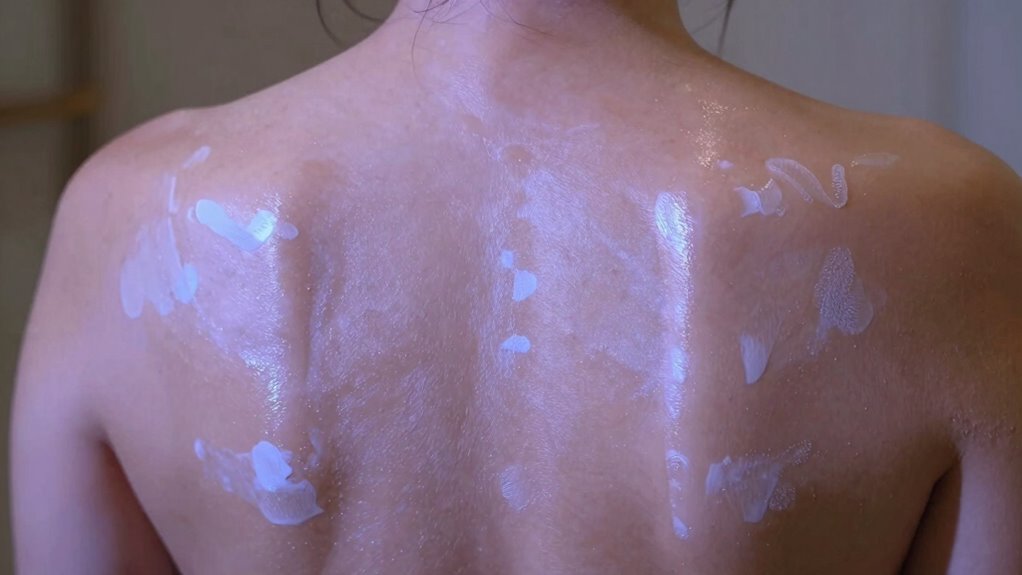
When you review UV camera images, it’s important to understand what the different colors and brightness levels indicate about your sunscreen coverage. Bright areas show where sunscreen is thick, while dark spots reveal missed or insufficiently covered areas. To accurately interpret these images, verify the UV camera is properly calibrated. Proper calibration enhances UV image contrast, making differences in coverage more distinct and easier to identify. Focus on areas with low brightness or inconsistent contrast, as these likely need additional sunscreen. When you spot missed spots, reapply sunscreen directly to those areas and scan again to confirm improvement. Regularly checking your coverage helps you develop better application habits, ensuring thorough protection against UV rays and reducing the risk of sun damage.
Benefits of UV Cameras for Better Sun Safety at Home and Professionally

Using UV cameras helps you spot missed spots on your skin, so you can improve your sun protection habits. They make it easier to see where you might be underapplying sunscreen, whether at home or professionally. Ultimately, this technology enhances your overall sun safety and application skills.
Reveals Missed Spots
UV cameras make it easy to identify areas where sunscreen application falls short, revealing missed spots that often go unnoticed by the naked eye. This helps you improve sunscreen consistency, ensuring every part of your skin is protected. By pinpointing these missed spots, you can prevent skin damage and maintain skin health more effectively. UV inspection tools allow you to see exactly where your sunscreen missed, making it easier to adjust your application and protect your skin more effectively. This proactive approach supports healthier skin and minimizes long-term sun damage. Incorporating sunscreen application techniques can further enhance your sun safety routine.
Enhances Sun Safety
By identifying missed spots in sunscreen application, UV cameras empower you to take proactive steps to enhance your overall sun safety. When you see where you might have skipped or unevenly applied sunscreen, you can correct these areas immediately, reducing your risk of sunburn and skin damage. This heightened awareness helps you adopt better habits, ensuring consistent protection during outdoor activities. Improved UV safety means fewer UV rays reach your skin, lowering the chances of premature aging and skin cancer. Using UV cameras promotes healthier skin by encouraging thorough coverage and awareness of vulnerable areas. Whether at home or professionally, this technology gives you a clear advantage in maintaining skin health and confidently enjoying the sun while minimizing risks.
Improves Application Skills
When you incorporate UV cameras into your routine, they become powerful tools for sharpening your application skills. You’ll quickly see where missed spots are, helping you refine your technique. This visual feedback encourages better application techniques, ensuring even coverage. Plus, UV cameras highlight the importance of proper sunscreen layering, so you learn to apply sufficient product in multiple thin coats rather than one thick layer. Understanding proper application techniques like proper door swings and stair proportions can also inspire you to create safer and more functional home environments that support effective sun protection practices. Recognizing sunscreen coverage gaps can further enhance your ability to achieve comprehensive sun safety. Additionally, observing piercing care and hygiene practices reminds you to maintain cleanliness and prevent infections during skincare routines. Incorporating preventive health measures can help sustain overall skin health and protection.
Frequently Asked Questions
Are UV Cameras Safe to Use on All Skin Types?
UV cameras are generally safe to use on all skin types, but you should consider your skin sensitivity. If you have highly sensitive skin or skin conditions, consult a dermatologist before use. The camera safety itself is non-invasive and harmless, as it just captures ultraviolet light reflecting off your skin. Always follow the manufacturer’s instructions and take care to avoid overexposure, especially if you notice irritation or discomfort.
How Often Should I Use a UV Camera to Check for Missed Spots?
Using a UV camera is like tending a delicate garden—you need regular care. You should check for missed spots every few days or after outdoor activities, ensuring your camera stays accurate. To maintain its effectiveness, perform routine camera maintenance and calibration, which keeps your device reliable. Frequent checks help catch missed spots early, so your sunscreen application remains thorough and effective, protecting your skin better over time.
Can UV Cameras Detect UV Damage Beneath the Skin’s Surface?
UV cameras can’t detect UV damage beneath your skin’s surface because UV penetration mainly affects the outer skin layers. These cameras reveal surface-level damage and missed spots but don’t show damage deeper within your skin. To protect your skin, use sunscreen regularly, and consider consulting a dermatologist for more advanced assessments if you suspect underlying UV damage. Remember, prevention is key to keeping your skin healthy.
Do Professional UV Cameras Provide Better Accuracy Than Consumer Models?
Like a detective with a magnifying glass, professional-grade imaging offers better accuracy than consumer models. You’ll notice sharper images, more detailed detection of missed spots, and consistent results, making it easier to identify UV damage. The accuracy comparison favors professional cameras, as they use higher-quality sensors and advanced features. If you want precise, reliable insights into your skin’s UV exposure, investing in a professional UV camera is the smarter choice.
Is There a Risk of UV Exposure From Using a UV Camera?
Using a UV camera poses minimal UV exposure risk because it’s designed with camera safety in mind. These devices emit UV light only during the brief imaging process, and proper handling guarantees your exposure stays well below safety limits. You won’t face significant UV exposure when using the camera correctly, so it’s safe for personal or professional use. Just follow manufacturer instructions to reduce any tiny risks.
Conclusion
Think of UV cameras as your personal sun safety detective, revealing spots you’d never see otherwise—like a flashlight illuminating hidden corners. I once missed a patch on my shoulder, only to discover it through UV imaging and get the protection I needed. Just like a map guides your journey, these cameras guide you to better sunscreen coverage. Invest in a UV camera, and turn sun protection into a confident, clear-cut routine—because your skin deserves that extra level of care.