TL;DR
Open Book Touch, a new open-source e-reader, has been released, allowing users to customize and modify the device. The project aims to promote transparency and community-driven development in digital reading devices.
The Open Book Touch e-reader has been released as an open-source project, making its hardware designs and software freely accessible to the public. This development allows users, developers, and researchers to customize, modify, and improve the device, marking a significant shift towards transparency in digital reading technology. The project aims to foster community collaboration and innovation in the e-reader space.
The Open Book Touch is a DIY-friendly e-reader based on open hardware and software principles. According to the project’s creators, the device’s schematics, firmware, and software are now available on a public repository, enabling anyone to build, modify, or enhance the device. The e-reader features a 6-inch E Ink display, Wi-Fi connectivity, and support for multiple file formats, including EPUB and PDF. The initiative was launched by a collective of developers and open hardware advocates seeking to challenge proprietary e-reader ecosystems. The project emphasizes user control over data privacy and device customization, contrasting with commercial e-readers that restrict access to firmware and hardware modifications. Details about the release date and specifications are publicly available, with ongoing updates and community contributions expected to expand capabilities. The project is primarily aimed at hobbyists, researchers, and privacy-conscious users, requiring some technical skills for assembly and firmware flashing.Implications for Digital Reading and Open Hardware
The release of the Open Book Touch as an open-source device represents a notable moment in digital reading technology. It challenges proprietary e-reader ecosystems by offering transparency, user control, and community development. This could lead to greater customization, improved privacy, and extended functionality through community modifications. It also sets a precedent for open hardware projects in this market, encouraging innovation beyond commercial constraints. The project aligns with ongoing discussions about digital rights, data privacy, and access to technology.

Color E-Reader – 6" Color Ink Ebook Reader with Open Android System, Supports Mainstream Reading Apps, 32GB Portable E-Ink Tablet for Comics & Manga, 138g Lightweight with Eye-Friendly Front Light
【VIVID COLOR & ENHANCED DETAIL】 Experience your favorite stories in a new light. urbetter features an upgraded 100…
As an affiliate, we earn on qualifying purchases.
As an affiliate, we earn on qualifying purchases.
Open-Source E-Readers and the Movement for Transparency
The movement toward open-source hardware and software in e-readers has gained momentum, driven by advocates for digital rights and user empowerment. Prior projects were often niche or experimental with limited public access. Major companies like Amazon and Kobo maintain closed ecosystems, restricting user modifications and data control. The Open Book Touch aims to provide a fully accessible platform for customization and development. Open hardware initiatives like Raspberry Pi have demonstrated the viability of community-built devices, and this project applies similar principles to e-reading devices, a segment traditionally dominated by proprietary technology. The trend reflects increased consumer interest in privacy and sustainability, fueling demand for transparent and repairable devices.
“By releasing the hardware and software as open source, we empower users to take control of their reading experience and contribute to the evolution of digital books.”
— Alex Johnson, Project Lead

sunla 269Pcs Charms Chains Making Kit for Kindle, Cute Ereader Charm DIY Craft Supplies | Makes 10 Keychains and 10 Dust Plug Charms for Kindle/E-Reader/Phone
[269-Piece Complete Ereader Charms Making Kit] This all-inclusive kit features 65 charms, 26 letter charms(A-Z), 10 swivel snap…
As an affiliate, we earn on qualifying purchases.
As an affiliate, we earn on qualifying purchases.
What Aspects of the Project Are Still Developing?
While the hardware schematics and firmware are publicly available, the adoption outside developer communities remains uncertain. The stability, user-friendliness, and long-term support of the open-source firmware are still under evaluation. The extent of third-party modifications and potential for commercial manufacturing are also unclear. The project’s future will depend on active community participation and contributions.
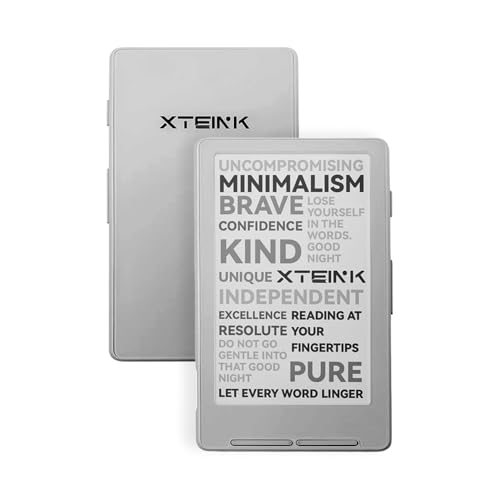
XTEINK X4 E-Book Reader (Developer Edition), 4.3" Pocket E-Ink eReader, Physical Page-Turn Buttons, Ultra-Thin 0.23" & 2.72 oz, Magnetic-Ready Design, Distraction-Free Reading, 16GB, Mist Gray
All overseas models purchased through official channels – both past sold and current for sale– have not and…
As an affiliate, we earn on qualifying purchases.
As an affiliate, we earn on qualifying purchases.
Next Steps for Community and Developer Engagement
Following the launch, the developers plan to support community involvement through online forums and workshops. They encourage contributions to firmware, hardware, and software improvements. The team intends to release regular updates, document modifications, and foster collaboration. Future plans may include broader public releases and partnerships with hardware manufacturers if community interest and stability grow.

The Definitive Guide to SQLite (Expert's Voice in Open Source)
As an affiliate, we earn on qualifying purchases.
As an affiliate, we earn on qualifying purchases.
Key Questions
Can I buy the Open Book Touch commercially?
No, the device is currently a DIY open-source project. It is intended for hobbyists and developers who can assemble and modify it themselves. There is no official retail version available at this time.
What skills are needed to build or modify the device?
Basic electronics knowledge, familiarity with firmware flashing, and comfort with open hardware platforms are recommended. The project provides detailed documentation, but some technical skills are necessary for assembly and troubleshooting.
Will the open-source firmware be updated regularly?
The development team plans to release updates based on community feedback and contributions. The frequency of updates will depend on user engagement and available resources.
Is the device secure and privacy-focused?
Yes, one of the project’s main goals is to give users control over their data and privacy, avoiding proprietary firmware that may collect user information.
Are there any risks in building or modifying the device?
As with any DIY electronics project, there are risks including hardware damage or software issues. Users should follow instructions carefully and have some technical background.
Source: hn