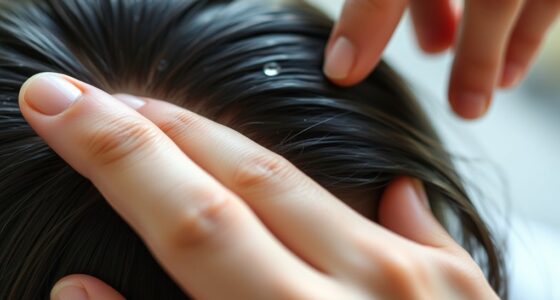
Scalp microneedling at home can safely boost hair growth by improving blood flow and helping your scalp absorb topical treatments more effectively, provided you follow proper hygiene and technique. Use sterilized devices, start with shorter needles, and avoid harsh chemicals or sun exposure during healing. It’s generally safe if you listen to your body and stop if you experience discomfort. Staying consistent and cautious will maximize benefits, and there’s more to discover if you keep exploring.

Get wellness gear delivered free with Prime
- Fast, free delivery on millions of items
- Prime Video, Amazon Music and more included
- Member-only deals all year
Key Takeaways
- Proper sterilization and gentle technique are essential for safe at-home scalp microneedling.
- It stimulates natural healing, improves blood flow, and enhances absorption of hair treatments.
- Use short needles (0.25–0.5 mm) and perform once weekly or biweekly for effective results.
- Avoid at-home microneedling if scalp conditions like eczema or infections are present.
- Consistent, safe practices over several months can promote healthier hair growth and skin rejuvenation.

If you’re looking for an effective way to boost hair growth without visiting a clinic, scalp microneedling at home might be worth trying. This technique involves using a dermaroller or a specialized device to create tiny punctures on your scalp’s surface. These micro-injuries stimulate your body’s natural healing process, encouraging both hair growth and skin rejuvenation. When performed correctly, it can help improve blood circulation to the hair follicles, making them healthier and more active. Plus, the process can enhance the absorption of topical treatments like minoxidil or hair serums, increasing their effectiveness.
Scalp microneedling at home boosts hair growth and enhances treatment absorption safely when done correctly.
Before you begin, it’s essential to understand the safety measures involved. You want to avoid infection or skin damage, so sterilize your device thoroughly before each use. Use a disinfectant or alcohol wipes to clean the dermaroller, and wash your scalp with a gentle cleanser beforehand. Make sure your hands are clean, and don’t share your device with others. It’s also imperative to start with a lower needle length—generally 0.25 mm to 0.5 mm—to minimize discomfort and reduce the risk of skin trauma. If you’re unsure, consult a dermatologist for guidance on the appropriate device and needle size.
Consistency is key to seeing results. You might perform scalp microneedling once a week or every two weeks, depending on your skin’s sensitivity. Don’t press too hard; let the device glide gently across your scalp to avoid unnecessary irritation. After your session, use soothing products or serums formulated for scalp health to maximize skin rejuvenation and support hair growth. Keep your scalp clean and avoid exposure to harsh chemicals or excessive sun during the healing period. Understanding proper technique and safety is crucial for effective and safe home microneedling.
While home microneedling can be safe when done properly, it’s crucial to recognize its limitations. If you notice persistent redness, swelling, or discomfort, stop immediately and seek professional advice. People with scalp conditions like eczema, psoriasis, or active infections should avoid at-home microneedling altogether. Remember, the goal is to stimulate natural healing processes safely, not to cause damage. When combined with good scalp hygiene, proper nutrition, and targeted treatments, scalp microneedling can be a valuable addition to your hair care routine. Just stay cautious, stick to recommended procedures, and be patient—improvements in hair growth and skin rejuvenation may take several months to become noticeable.
Frequently Asked Questions
Can Scalp Microneedling Be Combined With Hair Growth Serums?
Yes, you can combine scalp microneedling with hair growth serums. In fact, microneedling creates tiny channels that enhance the absorption of hair serum, boosting scalp health and encouraging hair growth. Just make sure to choose a serum formulated for scalp use and apply it after your microneedling session. This combo can maximize the benefits, helping you achieve healthier, thicker hair over time.
How Often Should I Replace the Microneedling Device?
You should replace your microneedling device every 3 to 6 months, depending on usage and device condition. Regular device maintenance, including proper sterilization procedures after each use, is essential to prevent infections. If you notice any damage or wear, it’s best to substitute the device sooner. Maintaining hygiene and inspecting your device regularly ensures safe, effective treatments and minimizes risks associated with at-home microneedling.
Are There Specific Scalp Conditions That Contraindicate Microneedling?
Don’t bite off more than you can chew—certain scalp conditions make microneedling a no-go. If you have scalp psoriasis or scalp infections, it’s best to steer clear, as the process can worsen inflammation or spread bacteria. Always consult a dermatologist before trying microneedling if you have these conditions. They can advise whether it’s safe for your specific situation and help you avoid unnecessary risks.
What Is the Ideal Needle Length for Home Use?
For home use, the ideal needle length is typically between 0.25mm and 0.5mm. This range balances effective stimulation with needle safety, reducing the risk of damage. Make sure to guarantee your device properly by cleaning and sterilizing it regularly, and inspect needles for damage before each use. Using the right needle length and keeping your device well-maintained helps assure safe, effective microneedling at home.
How Can I Tell if My Scalp Is Over-Treated or Irritated?
Your scalp’s sensitivity can be a red flag, so watch for signs of irritation like redness, swelling, or persistent soreness—these are your body’s way of saying enough is enough. If your scalp feels tender or looks inflamed after treatment, you’ve likely overdone it. Remember, just because the needle’s small doesn’t mean you should push your limits; listen to your skin and give it time to recover.
Conclusion
Think of at-home scalp microneedling as tending to a garden. With gentle care and patience, you stimulate new growth just as you nurture sprouting plants. While it’s a delicate process, the rewards—thicker, healthier hair—are worth the effort. By following safety tips and staying consistent, you become the gardener of your own hair’s future. Remember, like any garden, your scalp needs time and attention to flourish into its fullest, most vibrant self.
Halloween Picks
halloween
As an affiliate, we earn on qualifying purchases.