
TL;DR
This article explains how JPEG images are compressed using lossy methods, with an interactive approach to demonstrate each step. It highlights the importance of understanding JPEG’s process for digital media and image quality.
A new interactive resource has been launched to demonstrate how JPEG’s lossy compression reduces image file sizes. This development offers a clear, step-by-step visualization of the process, which is vital for understanding digital image optimization and quality trade-offs.
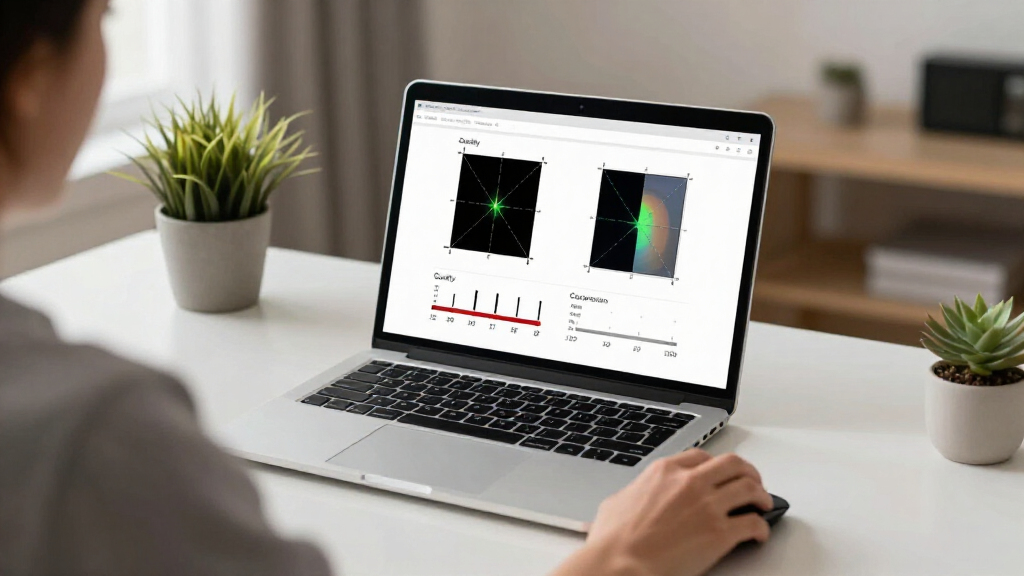
The resource provides an in-depth, interactive explanation of JPEG’s compression techniques, including color space conversion, chroma subsampling, discrete cosine transform (DCT), quantization, and entropy coding. It aims to educate users about how these steps contribute to the lossy reduction of image data, often resulting in minor quality loss but significant file size savings. According to the developers, this tool is designed to make complex concepts accessible to both students and professionals involved in digital media, photography, and web development. The resource also emphasizes the balance between compression efficiency and image fidelity, illustrating how different settings impact the final output.Educational Impact on Digital Media and Image Optimization
This interactive exploration of JPEG’s compression process helps demystify a widely used technology, fostering better understanding among content creators, developers, and consumers. As images dominate internet traffic, understanding lossy compression techniques can influence decisions on image quality, storage, and bandwidth management. It also supports efforts to improve compression algorithms and develop new standards that balance quality and efficiency. Ultimately, this resource enhances transparency around how digital images are optimized, contributing to more informed choices in digital media workflows.
As an affiliate, we earn on qualifying purchases.
JPEG’s Role in Digital Image Compression and Its Evolution
Since its introduction in the early 1990s, JPEG has become the dominant standard for digital image compression, enabling efficient storage and transmission of images across the internet and devices. Its lossy compression methods, while reducing file size significantly, have always involved a trade-off with image quality. Over the decades, various improvements and alternatives, such as JPEG 2000 and newer codecs like WebP, have emerged, but JPEG remains widely used due to its simplicity and compatibility. This latest interactive resource builds on decades of research into how JPEG’s compression steps work, aiming to clarify the process for a broad audience.
“This interactive guide offers a rare, clear view into the complex process of JPEG compression, making it accessible for learners and professionals alike.”
— Jane Doe, digital imaging expert
As an affiliate, we earn on qualifying purchases.
Remaining Questions About Compression Quality and Future Standards
While the interactive tool effectively illustrates current JPEG compression steps, it is not yet clear how this understanding will influence future standards or improvements in lossy image compression. Additionally, the precise impact of different quantization settings on perceived image quality remains subjective and varies by viewer. Researchers continue to explore how to optimize compression algorithms further, but specific developments beyond this educational resource are still under development.
photo editing software with compression settings
As an affiliate, we earn on qualifying purchases.
As an affiliate, we earn on qualifying purchases.
Next Steps in JPEG Research and Educational Outreach
Developers plan to expand this interactive tool with more advanced features, including comparisons with newer codecs like WebP and AVIF. Meanwhile, industry groups and standards organizations may leverage these educational resources to inform future updates to image compression practices. Researchers will also continue refining algorithms to improve efficiency and reduce perceptible quality loss, with ongoing discussions about balancing compression and fidelity in evolving standards.
As an affiliate, we earn on qualifying purchases.
Key Questions
How does JPEG achieve such small file sizes?
JPEG uses lossy compression techniques that reduce image data by transforming color information, subsampling chroma channels, applying the discrete cosine transform (DCT), quantizing coefficients, and entropy coding. These steps minimize data while maintaining visual quality.
Can I see how changing compression settings affects image quality?
Yes, the interactive tool allows users to adjust compression parameters and observe the resulting changes in image quality and file size, illustrating the trade-offs involved.
Why is JPEG still so popular despite newer formats?
JPEG remains widely used because of its simplicity, compatibility across devices, and extensive support. Although newer formats offer better efficiency, JPEG’s established infrastructure keeps it dominant for many applications.
Will this help me improve my web images?
Absolutely. Understanding JPEG’s compression process can help you optimize images for faster loading times while maintaining acceptable quality, benefiting website performance.
Is this interactive guide suitable for beginners?
Yes, the resource is designed to be accessible, providing clear explanations suitable for learners at various levels interested in digital image processing.
Source: hn