
TL;DR

Get wellness gear delivered free with Prime
- Fast, free delivery on millions of items
- Prime Video, Amazon Music and more included
- Member-only deals all year
Dietitian Linia Patel says weight regain is common after people stop GLP-1 medications, and describes three habits that may support weight maintenance: building lifestyle skills while taking the drugs, following regular meal times, and pairing protein with fiber. Her advice is not a guarantee, and people considering a medication change should discuss it with their healthcare professional.
Dietitian Dr. Linia Patel says people who stop GLP-1 medications often regain weight and recommends using time on the drugs to build routines that can continue afterward. In an interview with Fit&Well, she outlined three approaches: practicing sustainable lifestyle habits, eating at regular times, and including protein and fiber in meals.
Patel, a women’s health dietitian and performance nutritionist, told Fit&Well that weight regain happens to the majority of people who come off anti-obesity drugs. She describes obesity as a chronic condition and says these medications are designed for ongoing use. The article reports her estimate that around 50% of people do not stay on the drugs, citing cost, reaching a goal weight, and not wanting long-term medication as reasons. The source does not provide the underlying data or define the group behind that estimate.
Her first recommendation is to plan for maintenance while taking a GLP-1, rather than focusing only on weight loss. Patel says appetite, digestion, and food-related thoughts may change after stopping. She advises using the period on medication to learn recipes and develop ways to cope with stress or other challenges without relying on food. She says people who maintain weight have used the time and reduced appetite to establish new behaviors.
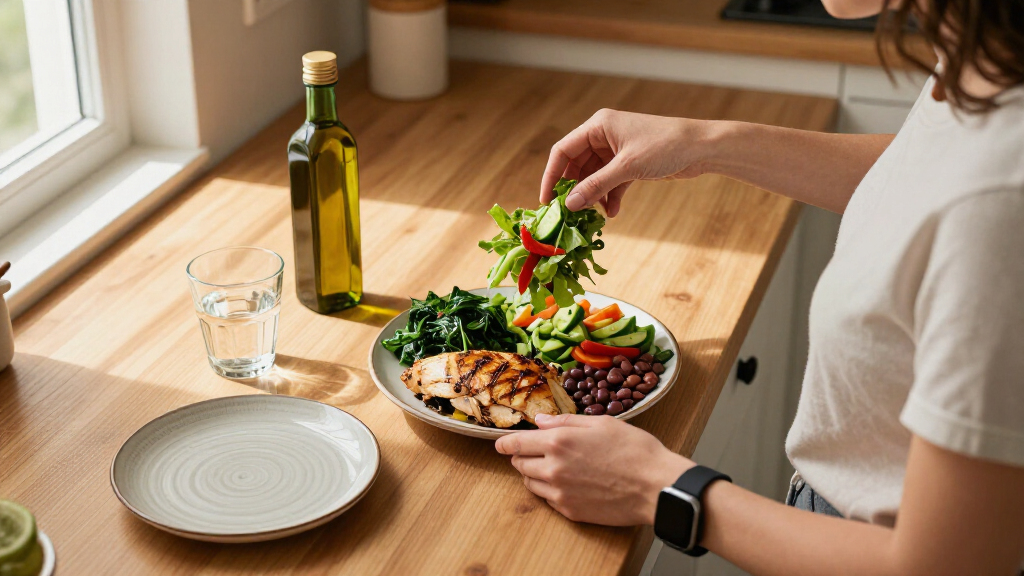
Patel also recommends a regular meal schedule, which she calls “pinned eating.” That means setting times for breakfast, lunch, and dinner instead of relying only on hunger cues. She suggests alarms if useful, and says soups or smoothies may be easier options when appetite is low. Her third recommendation is to pair protein and fiber. She identifies protein as helpful for maintaining lean muscle during weight loss, particularly alongside resistance training, and fiber as supportive of digestion. Examples she gives include Greek yogurt with berries and chia seeds, chicken with vegetables and quinoa, and eggs with wholegrain toast and avocado.
Planning for Life After Medication
The advice addresses a practical challenge for people who lose weight while taking appetite-suppressing medication: habits that work during treatment may need to continue if treatment stops. Regular meals and balanced nutrition can help people maintain food routines when hunger cues are reduced or change. Patel’s emphasis on muscle and digestion also reflects concerns that can arise during weight loss and treatment.
Her comments do not establish that these habits prevent regain, and the Fit&Well report does not cite a study testing the three recommendations together. They are dietitian guidance, not a substitute for individualized care. Anyone considering stopping or changing a prescribed medication should speak with the clinician overseeing their treatment, especially if they have medical conditions or nutrition concerns.
Products Worth Considering

Philips Sonicare DiamondClean 9500 Electric Toothbrush with 3 Brush Heads – Black

Levoit Eleva 300X HEPA Air Purifier

TheraGun Relief Massage Gun – 3 Speed, Black
As an affiliate, we earn on qualifying purchases.
Why People Stop GLP-1 Drugs
GLP-1 medications can reduce appetite and support weight loss, but Patel says some people stop because treatment is self-funded and becomes too expensive, because they reach a target weight, or because they do not want to take medication long term. The source does not specify which drugs or patient population her estimate covers.
Patel urges people who regain weight after stopping to respond with compassion. She describes regain as a “physiological response,” rather than a personal failure. Her book, Life After Weight-Loss Medication, was described by Fit&Well as newly released at the time of the report; no publication date is supplied.
What the Advice Cannot Establish
The report does not identify research behind Patel’s estimate that around 50% of people do not stay on GLP-1s, or specify the time period, location, or patient group it refers to. It also does not quantify how often people regain weight, how much they regain, or how the three suggested habits affect those outcomes.
Individual results can vary, and the article does not explain how medication type, duration of use, health history, or access to continued treatment may shape weight changes. It also does not set specific protein or fiber targets. Those needs should be discussed with a qualified healthcare professional, particularly for people with existing health conditions or ongoing digestive symptoms.
Discussing a Personal Maintenance Plan
Patel’s recommendations point readers toward building routines before a medication ends: plan meals, practice recipes, and consider ways to preserve strength through resistance exercise. People weighing a change to treatment can ask their prescriber about the likely effects, nutrition needs, and follow-up support in their own case. The source does not report a new clinical study or policy change, so no further milestone is specified.
Key Questions
What does Patel recommend after stopping a GLP-1?
She recommends carrying forward habits developed during treatment, including regular meal times and balanced meals with protein and fiber. She presents these as supportive strategies, not a guarantee against weight regain.
What is “pinned eating”?
Patel uses the term for setting regular times for meals, such as breakfast, lunch, and dinner, rather than relying only on hunger cues. She says soups or smoothies may be easier to manage when appetite is low.
Why does Patel emphasize protein and fiber?
She says protein can help maintain lean muscle during weight loss, particularly with resistance training, while fiber supports digestion. She recommends including both as part of a balanced diet.
Should someone stop a GLP-1 medication to follow this advice?
No. The report does not recommend stopping medication. Anyone considering a change should discuss it with the clinician managing their treatment.
Source: rss