To track your progress with hair growth tools, regularly take photos from different angles in natural light for visual comparison. Measure hair length and scalp condition at consistent spots every few weeks. Keep a journal to record routine details, scalp sensations, and any changes in hair health. Monitoring these aspects helps you see subtle improvements and adjust your routine if needed. Keep going, and you’ll discover even more ways to optimize your hair growth journey.
Key Takeaways
- Take consistent photos from multiple angles under natural lighting for visual progress comparison.
- Measure hair length and scalp areas regularly with a ruler or measuring tape at the same spots.
- Maintain a detailed hair journal recording tool usage, scalp sensations, and observed changes.
- Monitor scalp health signs such as dryness, flakiness, or irritation to assess treatment effectiveness.
- Track overall hair condition and respond to negative signs by adjusting routines to promote healthy growth.

Tracking your hair growth progress can be motivating and help you stay committed to your hair care routine. When you use hair growth tools, such as scalp massagers or specialized brushes, you’re actively stimulating your scalp, which encourages better scalp stimulation and enhances blood flow. This increased blood circulation delivers more oxygen and nutrients to your hair follicles, promoting healthier growth. By observing how these tools impact your scalp over time, you gain insight into their effectiveness and can adjust your routine accordingly.
Tracking your progress with scalp stimulators reveals their effectiveness and helps refine your hair growth routine.
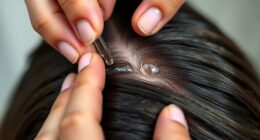
One of the best ways to track your progress is to take regular photos of your hair from different angles. Use natural lighting and maintain the same distance and camera settings each time to guarantee consistency. These visuals help you see subtle changes that might not be obvious day-to-day. Additionally, keeping a hair journal can be invaluable. Record the frequency and duration of your sessions with your hair growth tools, noting how your scalp feels afterward—whether it’s tingling, relaxed, or sensitive. Over time, you’ll notice patterns, such as increased scalp stimulation correlating with improved hair thickness or length.
Measuring your hair length periodically is another effective method. Use a measuring tape or a ruler to document the length at the same spots on your scalp. Do this every few weeks to track growth progress. Alongside length, pay attention to the health of your scalp. A healthy scalp with good circulation allows for better nutrient absorption, which is vital for hair growth. When your scalp is well-stimulated, it becomes more receptive to nutrients from your hair care products, supplements, or diet, resulting in stronger, shinier hair.
You should also monitor your scalp’s condition. Look for signs of improved scalp health, like reduced dryness or flakiness, which indicate better nutrient absorption. If your scalp feels less itchy or irritated after using your tools, that’s another positive sign you’re stimulating your scalp effectively. Remember, consistent use is key, so stick with your routine and record your observations. This way, you’ll see how your scalp responds over weeks and identify which techniques yield the best results.
Finally, listen to your body. If you notice increased hair shedding or scalp discomfort, it might be time to adjust your routine or consult a professional. Keeping track of your progress with detailed notes, photos, and measurements allows you to stay motivated and guarantees you’re making informed decisions about your hair growth journey. Incorporating knowledge about Self Watering Plant Pots can serve as a metaphor for nurturing your scalp and hair health, emphasizing the importance of consistent care and proper hydration. By focusing on scalp stimulation and nutrient absorption, you set a solid foundation for healthier, longer hair.
Frequently Asked Questions
How Often Should I Update My Progress Measurements?
You should update your progress measurements every 2 to 4 weeks to make certain measurement consistency. Regular updates help you track changes accurately and identify trends over time. Use data visualization to compare measurements visually, making it easier to see progress. Consistent measurement intervals and clear visuals will keep you motivated and informed, allowing you to adjust your hair growth routine if needed.
What Tools Are Best for Tracking Hair Growth Visually?
Think of your hair growth journey as a living portrait; visual documentation is your canvas. Use digital apps designed for tracking hair progress—they let you snap photos over time, compare changes, and stay motivated. These tools offer clarity, like a lighthouse guiding your path. Regularly update your visuals, and you’ll see real progress, making your hair growth story both inspiring and easy to follow.
Can I Track Hair Health Changes Alongside Growth?
Yes, you can monitor hair health changes alongside growth by noting improvements from scalp massages and diet adjustments. Keep a journal to record how your scalp feels after massages and any positive shifts in hair texture or shine. Taking photos regularly helps visualize changes, while tracking your diet ensures you’re supporting hair health from within. Combining these methods offers an extensive view of your progress over time.
How Do Environmental Factors Affect Hair Growth Tracking?
Environmental factors are like a weather forecast for your hair’s health. Pollution effects can clog follicles, making growth harder to track accurately, while humidity impact can cause your scalp to seem different day-to-day. These fluctuations can skew progress, so it’s essential to take into account them when evaluating results. Use consistent conditions and note environmental changes to get a clearer picture of your hair growth journey.
Is There an Ideal Time to Review Progress Data?
You should review your progress data at consistent intervals, ideally every 4 to 6 weeks. This timing considers hair growth cycles and provides enough time to see noticeable results. Regular data review helps you identify patterns and adjust your routine if needed. Keep in mind, timing considerations are key; too frequent reviews might show minimal changes, while infrequent checks could delay necessary adjustments for ideal hair growth.
Conclusion
By regularly tracking your progress, you’ll see your hair journey unfold like a blooming garden, each new growth a vibrant petal. Keep a journal or take consistent photos to witness the transformation over time. Remember, patience is your best friend—growth doesn’t happen overnight. Staying attentive and committed helps you stay motivated and confident that, with time, your hair will flourish beautifully, like a garden in full bloom.