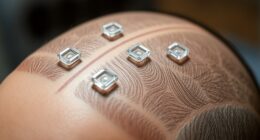
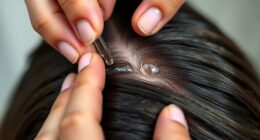
Hair growth devices can help, but they have limitations you should know about. They often work best for early hair thinning and may offer little benefit for advanced baldness. You need to use them consistently and correctly, or they might not deliver the expected results. Many are costly and lack rigorous safety testing, so risks are possible. To get the most out of these tools and avoid disappointment, understanding their boundaries is essential—you’ll find more details ahead.
Key Takeaways
- Hair growth devices are most effective for early-stage thinning and less effective for advanced baldness.
- Proper usage and consistency are essential; misuse can lead to skin irritation or minimal results.
- Many devices lack rigorous testing or regulatory approval, raising safety and reliability concerns.
- Results vary among individuals, and these devices are not guaranteed to produce dramatic or permanent hair growth.
- Cost, ongoing expenses, and limited effectiveness should be considered before investing in hair growth devices.
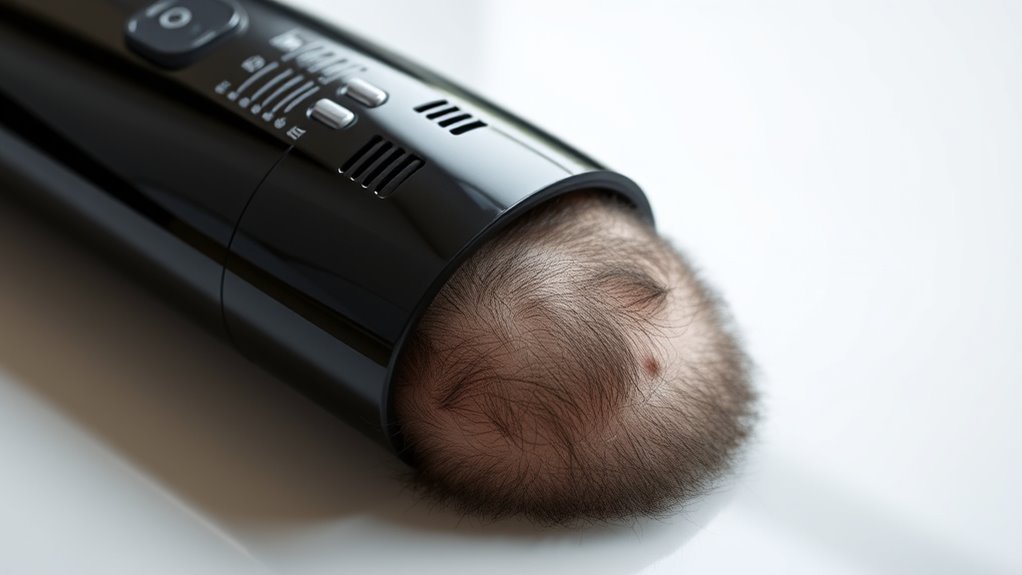
Hair growth devices have gained popularity as a non-invasive solution for thinning hair and baldness. They promise a convenient way to stimulate hair follicles and promote new growth without the need for surgery or pharmaceuticals. However, it’s essential to understand their limitations before investing your time and money. While these devices can seem like an attractive option, they aren’t guaranteed to deliver dramatic results for everyone. One of the key considerations is their cost effectiveness. Many devices come with a hefty price tag, and the ongoing costs of replacement parts or treatments can add up quickly. You might find that the results don’t justify the expense, especially if you don’t see noticeable improvement after several months of consistent use. It’s also worth noting that some devices are marketed as affordable alternatives, but their efficacy remains questionable. Investing in a device with proven results and a reasonable price can be a smarter move, but even then, you should weigh the potential benefits against the financial commitment.
Safety concerns are another vital aspect to consider. Although many devices are marketed as safe and easy to use at home, they can still carry risks. For example, some laser or LED devices may cause skin irritation, redness, or discomfort if used improperly. There’s also a risk of overuse, which can lead to adverse effects on your scalp or skin. It’s tempting to push through a lack of immediate results, but doing so may increase the likelihood of side effects. Additionally, not all devices undergo rigorous testing or regulatory approval, which raises questions about their safety and reliability. It’s wise to consult with a healthcare professional before starting any new hair treatment, especially if you have underlying skin conditions or other health concerns. They can advise you on whether these devices are appropriate for your specific situation and how to use them safely.
Another limitation to keep in mind is that hair growth devices tend to work best for certain types of hair loss and less effectively for others. They are often more suitable for early-stage thinning rather than advanced baldness. If your hair loss has been ongoing for years or is caused by underlying medical issues, these devices may not be able to reverse the damage. Expectations should be realistic; you might see some improvement, but it’s unlikely to be a complete solution. Recognizing these limitations helps you make an informed decision and avoid disappointment. Ultimately, while hair growth devices can be a helpful tool in your hair restoration journey, they are not miracle cures. Understanding their potential and pitfalls ensures you approach them with the right mindset and realistic expectations.
Frequently Asked Questions
Are Hair Growth Devices Safe for All Skin Types?
Hair growth devices aren’t safe for all skin types. You should verify skin compatibility before use, especially if you have darker or sensitive skin, as some devices may cause irritation or burns. While device efficacy varies, using the right device for your skin type minimizes risks. Always follow the manufacturer’s guidelines and consult a dermatologist if you’re unsure about skin compatibility to ensure safe and effective treatment.
How Long Does It Typically Take to See Results?
You might expect visible improvement within 8 to 12 weeks of consistent use, but it varies. Some users see faster results, while others need more time. The truth is, hair growth devices aren’t instant solutions; they work gradually. Your timeframe expectations should include patience and regular treatment. Keep in mind, consistent use is key to achieving the best results, and individual responses can differ based on hair type and condition.
Can Hair Growth Devices Cause Any Long-Term Side Effects?
Hair growth devices generally don’t cause long-term side effects, but you should be aware of potential hormonal effects and the risk of skin damage. Some users might experience temporary irritation or redness, which usually subsides quickly. If you have sensitive skin or hormonal concerns, consult a dermatologist before starting treatment. Regular use and proper device handling help minimize risks and make certain of safe, effective results with minimal long-term effects.
Are There Any Age Restrictions for Using These Devices?
Did you know that over 60% of users are younger than 40? Age restrictions for hair growth devices vary, but most manufacturers recommend they’re suitable for adults aged 18 and above. Device availability often depends on local regulations and safety standards. If you’re considering using one, check the specific age restrictions for your device, as using it outside recommended ages could reduce effectiveness or cause safety concerns.
Do Hair Growth Devices Work on All Hair Colors and Textures?
Hair growth devices work best on certain hair colors and textures. They are most effective on lighter hair colors like blonde and red, due to better light absorption, making hair color compatibility important. Thick, coarse hair textures may reduce effectiveness because the device’s light struggles to penetrate deeply. If you have dark or very curly hair, you might see less success, so consider your hair type when choosing a device.
Conclusion
While hair growth devices can be a helpful tool, they’re not magic wands that instantly restore your hair. Think of them as gardening tools—they need patience, proper use, and realistic expectations to see results. Remember, no device can turn back the clock completely. By understanding their limitations, you’re better equipped to make informed choices and nurture your hair’s health. Stay patient and consistent—your hair’s growth journey is more marathon than sprint.