To treat legs, underarms, and bikini areas effectively, schedule sessions every 4 to 8 weeks, allowing your skin time to recover. Adjust intervals if you notice sensitivity or adverse reactions. Keep the areas moisturized and protect your skin from sun exposure after treatments. Longer gaps may be necessary for sensitive zones. Properly managing each area’s timing guarantees safe, lasting results. For detailed tips tailored to each zone, continue exploring these helpful strategies.
Key Takeaways
- Schedule treatments every 4-8 weeks, adjusting frequency based on area sensitivity and skin response.
- Allow longer intervals for bikini and underarm areas to minimize irritation and facilitate healing.
- Begin with lower laser settings and gradually increase for sensitive areas like bikini and underarms.
- Monitor skin reactions closely and modify treatment timing if redness or discomfort persists.
- Incorporate consistent post-treatment skincare and sun protection to maintain results across all areas.
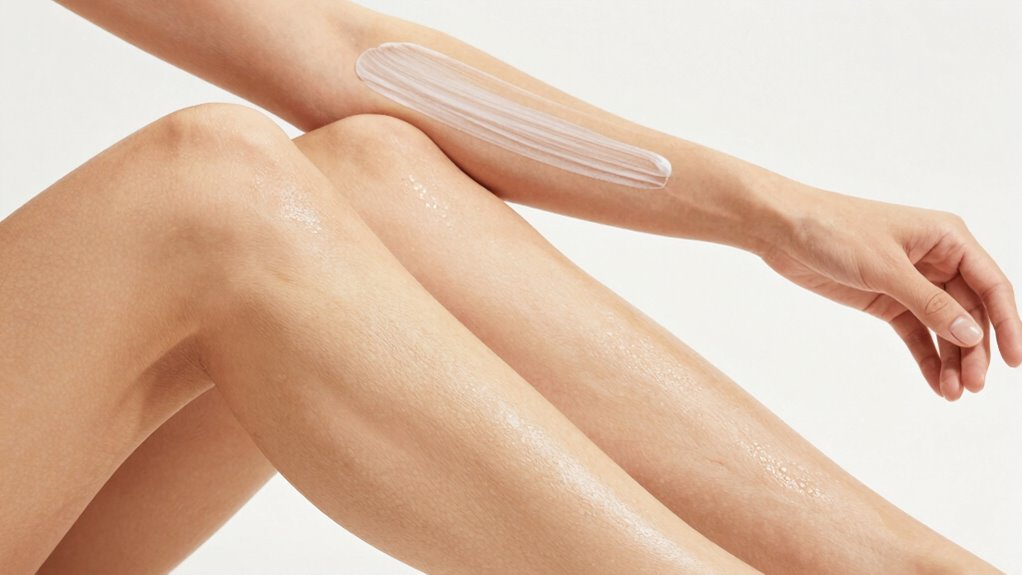
If you want smooth, hair-free skin on your legs, underarms, and bikini area, knowing the right treatment methods is essential. One of the most effective options is laser hair removal, but it’s crucial to prioritize laser safety to protect your skin. Since your skin sensitivity varies across different areas and individuals, understanding how to approach treatments over time helps you achieve optimal results without unnecessary discomfort or risks.
When considering laser treatments, it’s important to start with a consultation from a certified professional who can assess your skin type and sensitivity. This initial step ensures that the laser settings are appropriate, reducing the risk of burns, hyperpigmentation, or other side effects. For areas like your underarms and bikini zone, where the skin is more sensitive, the practitioner might recommend lower energy levels or longer intervals between sessions to prevent irritation. Always follow their advice on pre- and post-treatment care, such as avoiding sun exposure and using gentle skincare products, to maintain laser safety and protect your skin’s health.
Start with a professional consultation to ensure safe, effective laser hair removal tailored to your skin sensitivity.
In the early stages, you might notice some redness, swelling, or slight discomfort, especially if your skin is more sensitive. This is normal and usually subsides within a few hours to a couple of days. To minimize skin sensitivity, keep the treated areas moisturized and avoid harsh scrubs or irritating products. Using soothing, fragrance-free lotions can help calm your skin after each session. Over time, as your hair becomes finer and less dense, you’ll likely see a reduction in irritation and discomfort, making subsequent treatments more tolerable. Recognizing how your skin reacts and adjusting your care routine accordingly can enhance your overall experience. Additionally, understanding laser safety protocols can help prevent complications and ensure effective results. Incorporating proper skincare routines**** can also support your skin’s recovery and long-term health.
As you progress through your treatment timeline, spacing out sessions becomes vital. Typically, laser hair removal is performed every 4 to 8 weeks, depending on the area and your skin’s response. This interval allows your skin to recover and reduces the chance of overexposure that could compromise laser safety. During this period, monitor your skin for signs of excessive sensitivity or adverse reactions, and communicate any concerns with your provider. Adjustments in treatment intensity or frequency may be necessary to accommodate changes in skin sensitivity, especially in sensitive areas like the bikini zone.
In the long run, maintaining good skincare routines and protecting your skin from sun exposure will enhance your results and help you enjoy smooth, hair-free skin safely. Regularly check in with your specialist to ensure your treatments are aligned with your skin’s evolving needs. When you prioritize laser safety and respect your skin’s sensitivity, you set yourself up for a successful journey toward hair-free, healthy skin on your legs, underarms, and bikini area. Being mindful of skin sensitivity and adapting your treatment schedule accordingly can significantly improve your comfort and outcomes.
As an affiliate, we earn on qualifying purchases.
Frequently Asked Questions
Can I Shave During the Same Day as Waxing?
You can shave the same day as waxing, but it’s not ideal for your waxing schedule or shaving compatibility. Shaving right after waxing might irritate your skin, and it can also interfere with the waxing process, which works best when hair is longer. For better results, wait at least 24-48 hours post-waxing before shaving again. This helps maintain smooth skin while avoiding irritation and maximizing your waxing effectiveness.
How Do I Prevent Ingrown Hairs After Treatments?
Did you know that up to 50% of people experience ingrown hairs after hair removal? To prevent them, you can try hair removal alternatives like laser or electrolysis. After treatments, use skin soothing remedies such as exfoliating gently and applying aloe vera or hydrocortisone cream. Keep your skin moisturized, avoid tight clothing, and don’t pick at bumps. These steps help reduce ingrown hairs and keep your skin smooth and comfortable.
Are There Specific Products to Improve Healing?
You can improve healing with post-treatment moisturizers that soothe and hydrate your skin, reducing irritation. Look for products with ingredients like aloe vera or chamomile, which are natural remedies known for calming skin. These help prevent ingrown hairs and promote faster recovery. Regularly applying gentle, fragrance-free moisturizers keeps your skin healthy and resilient, ensuring you get the best results from your treatments.
What Are the Risks of Untreated Skin Irritation?
If you ignore skin irritation, you risk developing skin infections or allergic reactions. For example, a person neglecting persistent redness might see it worsen into a painful infection that requires antibiotics. Untreated irritation can also trigger allergic reactions, causing swelling and discomfort. These risks emphasize the importance of addressing irritation promptly to prevent complications and guarantee healthy, smooth skin after treatments.
How Long Should I Wait Between Treatments?
You should wait at least 24 to 48 hours between hair removal treatments to avoid skin irritation, especially if you have sensitive skin or are prone to skin sensitivity. Many hair removal myths suggest shorter intervals are fine, but giving your skin time to recover reduces risks. Always listen to your skin and adjust your schedule accordingly, ensuring it stays healthy and irritation-free, regardless of the area you’re treating.
sensitive skin underarm laser hair removal
As an affiliate, we earn on qualifying purchases.
As an affiliate, we earn on qualifying purchases.
Conclusion
Remember, patience is key when it comes to hair removal. Follow the right treatments at the right times, and you’ll see smoother skin in no time. Consistency and care make all the difference. As the saying goes, “Rome wasn’t built in a day,” so don’t rush the process. Stick with your routine, stay committed, and enjoy the confidence that comes with well-maintained legs, underarms, and bikini areas. Your future self will thank you!
bikini area post-treatment moisturizer
As an affiliate, we earn on qualifying purchases.
As an affiliate, we earn on qualifying purchases.
sun protection lotion for post-laser skin
As an affiliate, we earn on qualifying purchases.
As an affiliate, we earn on qualifying purchases.