Your IPL results may feel slow initially because hair grows in cycles, meaning only hairs in the active, pigmented growth phase (anagen) respond to treatment. Not all hairs are in this phase at the same time, so multiple sessions are needed to target each follicle during its growth stage. With patience and proper timing, your results will improve over time. Keep going to discover how understanding these cycles can boost your success.

Get wellness gear delivered free — and shop member deals
- Fast, free delivery on millions of items
- Access to Prime Big Deal Days deals on October 6–7
- Prime Video, Amazon Music and more included
Key Takeaways
- Only hair in the active anagen phase responds well to IPL, so initial treatments target a limited subset of follicles.
- Multiple sessions are needed because not all hairs are in the same growth phase simultaneously.
- Hair growth cycles vary due to hormonal, seasonal, and individual factors, causing gradual results.
- Consistent treatments spaced 4-6 weeks apart improve targeting of hairs in the growth phase over time.
- Visible changes take time as hair diminishes gradually with each cycle, requiring patience and persistence.
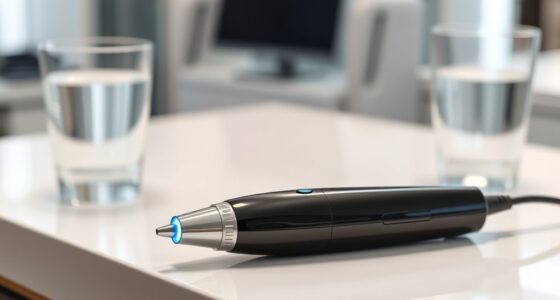
IPL hair removal device for dark hair
As an affiliate, we earn on qualifying purchases.
As an affiliate, we earn on qualifying purchases.
What Are Hair Growth Cycles and How Do They Work?

Have you ever wondered why hair grows at different rates or why some areas seem to grow faster than others? It all comes down to hair follicle biology and how hair cycle regulation works. Your hair follicles go through a cycle with three phases: anagen (growth), catagen (transition), and telogen (rest). During the anagen phase, the follicle actively produces hair, which can last years. The catagen phase is a short passage, and in telogen, the follicle rests before shedding the hair and restarting the cycle. Each follicle is unique and can be in different phases at the same time, explaining why hair growth varies across your body. Understanding these cycles helps clarify why hair growth is uneven and why hair removal treatments like IPL target specific phases. Knowing the different phases can help you better time your treatments for optimal results hair cycle regulation. Additionally, the regulation of hair growth involves complex hormonal and cellular signals that influence the duration of each phase, impacting how quickly hair appears to grow. External factors such as nutrition, health, and environmental influences can also affect hair follicle activity, further contributing to variations in hair growth rates.
As an affiliate, we earn on qualifying purchases.
Why Does IPL Only Target Growing Hair Follicles?

IPL targets hair during the growth phase because that’s when the follicles are most active and contain the pigment that absorbs the light. When hair is in other phases, the follicles are less receptive, making treatment less effective. Understanding these hair growth phases helps explain why IPL focuses on active, growing follicles. Additionally, hair growth cycles can vary from person to person, which influences treatment timing and expectations. Recognizing the variability in growth phases can help set realistic expectations for hair reduction results. Incorporating traditional holistic health practices can also support overall skin and hair health during treatments. Being aware of net worth growth hacks can also motivate individuals to explore options that may enhance their overall well-being and confidence.
Hair Growth Phases
Hair growth occurs in distinct phases, and understanding these is key to effective IPL treatments. Your hair doesn’t grow constantly; it cycles through growth (anagen), transition (catagen), and rest (telogen) phases. IPL targets hair in the anagen phase because the follicle is actively producing hair, making it more responsive to light energy. During this phase, hair texture is determined by follicle activity, and healthy scalp conditions support better results. If your hair is in the telogen or catagen phase, IPL won’t affect it because those follicles are dormant or shrinking. This cycle explains why multiple treatments are necessary—only a portion of follicles are in the right phase at any given time. Additionally, light-based treatments are more effective when the hair follicles are in the active growth phase, emphasizing the importance of timing in your treatment schedule. Understanding your hair’s growth cycle helps set realistic expectations for your IPL journey, especially since follicle responsiveness varies throughout these phases. Recognizing the hair growth phases can also improve your overall treatment plan and help you achieve better results over time.
Targeting Active Follicles
Since only actively growing follicles produce hair that is receptive to light energy, IPL specifically targets those in the anagen phase. Hair follicles in follicle dormancy, or telogen phase, don’t respond because they aren’t producing hair at the moment. This is why IPL treatments focus on hair in the anagen phase, when the follicle is most receptive to light energy for effective damage. The hair’s texture also plays a role; finer or coarser hair may respond differently, but only if the follicle is actively growing. Because dormant follicles are temporarily unresponsive, multiple sessions are necessary to catch all hair in the right phase. This targeting ensures that IPL is efficient, but it also explains why initial results may seem slow. Understanding the hair growth cycle and follicle phases helps set realistic expectations for treatment progress.
As an affiliate, we earn on qualifying purchases.
How Many Hair Cycles Are Needed to See Results?
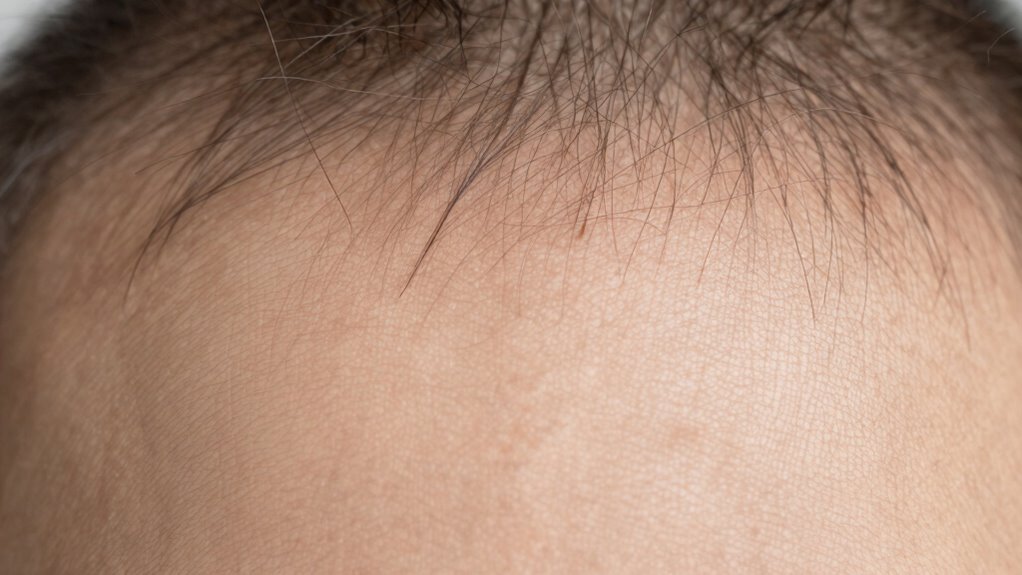
Typically, you need to go through multiple hair growth cycles before noticing significant results from IPL treatments. Hair follicle biology explains that each follicle undergoes several cycles—anagen, catagen, and telogen—before the hair falls out and regrows. Consistent treatments target follicles during the active (anagen) phase, but not all follicles are in this phase simultaneously. Usually, it takes about 4 to 6 sessions spaced several weeks apart to see noticeable hair reduction. Your skincare routines should complement IPL, maintaining skin health and enhancing results. Patience is key, as hair growth cycles vary by individual and body area. Understanding growth cycle phases allows for more effective timing of treatments to maximize results. Recognizing the hair growth cycle helps in setting realistic expectations and planning maintenance sessions. With persistence through multiple cycles, you’ll gradually see finer, sparser hair, making IPL an effective long-term solution. Additionally, factors such as age, hormonal levels, and skin type can influence hair regrowth patterns, emphasizing the importance of personalized treatment plans. Moreover, understanding the 16PF personality traits can assist practitioners in tailoring patient care for better adherence to treatment schedules.
professional IPL hair removal machine
As an affiliate, we earn on qualifying purchases.
As an affiliate, we earn on qualifying purchases.
Why Does Hair Sometimes Re-Grow During IPL Treatments?

Re-growth during IPL treatments can occur because not all hair follicles are in the active growth (anagen) phase at the same time. This means some hair may temporarily shed but then re-emerge as follicles cycle through different stages. Hormonal changes, such as stress or hormonal imbalances, can also prompt new hair growth during treatment. Additionally, hair texture influences how hair responds; finer or coarser hairs may react differently to IPL. Keep in mind that some follicles might be in the resting (telogen) or shedding phase, leading to apparent re-growth before the final results settle. Understanding these factors helps explain why results can seem slow initially and why multiple sessions are necessary for ideal hair reduction. Recognizing that hair cycle phases vary among individuals can help set realistic expectations and improve treatment planning. The presence of hair growth cycles underscores the importance of patience and consistent treatment to achieve optimal results. Moreover, individual hair cycle variations can impact the overall effectiveness of IPL sessions. Additionally, individual hair cycle patterns can influence how quickly visible results are achieved. A detailed understanding of hair cycle stages can further clarify why consistent treatments are essential for long-term success.
How Do Hair Growth Phases Affect IPL Effectiveness?

Understanding how hair growth phases influence IPL effectiveness is crucial for achieving peak results. During the anagen phase, hair is actively growing and most responsive to IPL treatments. In contrast, telogen hairs are dormant, making IPL less effective on them. Hormonal fluctuations can shift your hair into different phases, sometimes causing uneven results. Hair texture also impacts treatment; coarse or thick hair absorbs IPL energy better than fine hair. To maximize results, it’s important to target hair when it’s in the right phase. Keep in mind:
Target hair in the anagen phase for best IPL results.
- Active growth (anagen) is most responsive
- Dormant hair (telogen) resists IPL
- Hormonal changes can delay progress
- Hair texture influences absorption
- Timing treatments with hair phases boosts efficiency
- Hair growth cycles can vary among individuals, affecting treatment planning
How Patience and Timing Boost Your IPL Results
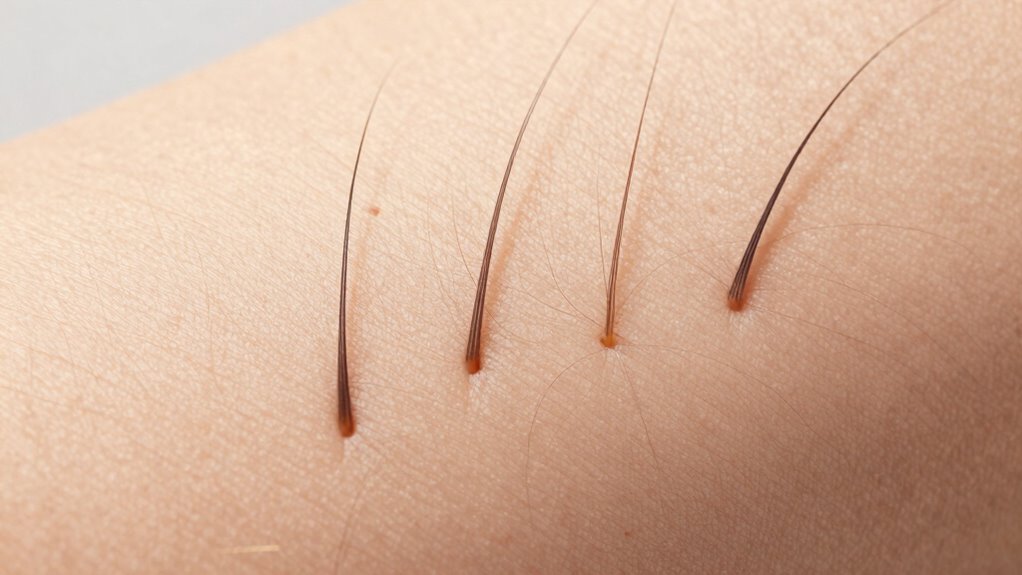
Your patience and timing are key to maximizing IPL results. By understanding your hair growth phases and sticking to a consistent treatment schedule, you’ll see better, longer-lasting results. Staying committed and timing your sessions correctly helps guarantee each treatment targets hair at the right stage for ideal effectiveness.
Hair Growth Phases
Since hair goes through different growth stages, timing your IPL treatments correctly can considerably improve results. Understanding these phases helps you target hair effectively, especially when focusing on hair density and scalp health. During the anagen (growth) phase, hair is most receptive to IPL, so treatments during this time yield better results. The telogen (resting) phase involves hair shedding, making treatments less effective. Recognizing the catagen (transition) phase helps you plan treatments more strategically. Patience is key because not all hairs are in the same phase simultaneously. By aligning your sessions with these cycles, you’ll see faster, more consistent hair reduction. Improving scalp health and targeting actively growing hair enhances the overall success of your IPL journey.
- Hair in the anagen phase responds best to IPL.
- Scalp health influences hair growth cycles.
- Hair density varies across different scalp areas.
- Not all hairs are in the same phase at once.
- Proper timing maximizes treatment effectiveness.
Timing and Frequency
Timing and frequency are essential for maximizing your IPL hair removal results because hair doesn’t all grow at once. To see steady progress, you need to schedule treatments based on hair growth cycles, which can be affected by hormonal fluctuations and seasonal changes. During different times of the year, hair growth may slow or accelerate, so adjusting your treatment plan helps maintain effectiveness. Typically, treatments are spaced 4 to 6 weeks apart, aligning with hair’s active growth phase. Here’s a visual to help you understand:
| Season | Hair Growth Pattern | Recommended Frequency |
|---|---|---|
| Spring/Summer | Accelerated growth | Every 4-6 weeks |
| Fall/Winter | Slower growth | Every 6-8 weeks |
| Hormonal shifts | Variable, unpredictable | Monitor and adjust as needed |
| Seasonal changes | Fluctuations in growth | Be flexible with scheduling |
Consistent Treatment Benefits
Consistent treatment is key to achieving ideal IPL hair removal results because it allows the treatment to target hair during its most vulnerable growth phase. Regular sessions help address variations caused by hormonal fluctuations that can influence hair growth and texture. When you stick to your schedule, your skin responds better, and hair becomes finer and sparser over time. Patience is essential because results may initially seem slow, especially as hair texture changes. Staying consistent also ensures you don’t miss hairs in their growth cycle, maximizing effectiveness.
- Maintains steady progress despite hormonal fluctuations
- Prevents regrowth from dormant hairs
- Enhances long-term hair reduction
- Improves overall hair texture over time
- Builds confidence in your treatment journey
When Can You Expect to See Hair Reduction Results?

You can typically expect to see noticeable hair reduction after completing a few IPL sessions, but the exact timeline varies based on your hair growth cycle and treatment consistency. While some may see results after 3-4 sessions, others might need more. Remember, patience is key, as hair reduction occurs gradually with each cycle. Stay committed to your treatment plan, ensuring proper laser safety measures, and don’t fall for hair removal myths that promise instant results. It’s normal for results to feel slow initially, but consistent sessions target hair in different growth phases, leading to better outcomes over time. Keep in mind that individual factors like hair color and skin tone also influence how quickly you notice and enjoy the benefits.
Frequently Asked Questions
How Long Does Each Hair Growth Cycle Last?
Each hair growth cycle lasts about 4 to 8 weeks, depending on your hair type and body area. The growth phase length varies, with some hairs in active growth longer than others. During IPL treatments, you’ll notice slower results initially because not all hairs are in the same phase. Consistent sessions target hairs in their growth phase, gradually reducing hair density over time.
Can IPL Cause Hair to Grow Thicker or Darker?
Surprisingly, IPL won’t make your hair grow thicker or darker—if anything, it targets the pigment to reduce hair growth. But beware: hormonal effects and genetic predispositions can influence how your hair responds, sometimes making it seem like IPL backfires. Ironically, the treatment’s goal is to weaken hair, yet individual factors might cause temporary changes. Rest assured, consistent sessions usually lead to smoother, finer hair, not a darker, thicker mess.
Is There an Ideal Age to Start IPL Treatments?
You can start IPL treatments at a young age, but it’s best to wait until your skin has fully developed, typically in your late teens or early twenties. Age considerations matter because your skin’s sensitivity and hair growth patterns change over time. If you’re younger, consult a dermatologist to guarantee your skin is mature enough for safe and effective IPL sessions, helping you achieve ideal results safely.
Are Some Hair Types Less Responsive to IPL?
Some hair types are a bit more reserved when it comes to IPL. Fine hair and lighter hair colors, like blonde or gray, tend to be less responsive because they absorb less light. Thicker, darker hair with richer textures usually respond faster. You might notice slower results at first, but patience pays off as IPL targets the melanin in darker, more pigmented hair, leading to better long-term results.
How Many Treatments Are Typically Needed for Permanent Results?
You typically need around 6 to 8 IPL treatments for permanent results, but it varies based on your hair type and treatment frequency. During each session, IPL targets hair in the active growth phase, reducing hair retention over time. Consistent treatments help make certain the hair becomes finer and less noticeable, but patience is key, as results often improve gradually with each session.
Conclusion
Just like tending a garden requires patience and consistent care, your IPL journey needs time to blossom. You might feel frustrated if progress seems slow at first, but remember, each hair cycle is a season of growth and renewal. Stick with it, and you’ll soon notice smoother skin emerging, much like a garden flourishing after diligent nurturing. Trust the process, and your efforts will eventually reveal the results you’re aiming for.
Fall Picks
fall essentials
As an affiliate, we earn on qualifying purchases.