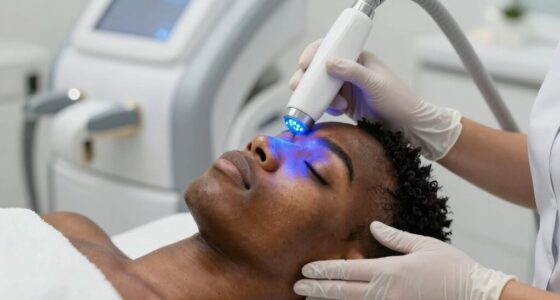
Fractional laser devices can effectively reduce hyperpigmentation and improve skin tone by targeting deeper skin layers with precise energy delivery. They work well on stubborn spots caused by sun damage, melasma, or post-inflammatory pigmentation. Proper treatment planning, choosing an experienced provider, and following safety protocols are essential for ideal results. If you want to understand how these treatments are tailored to your skin and how to maximize safety, there’s more to discover.
Key Takeaways
- Fractional laser devices target deep skin layers to break down excess melanin and promote skin renewal.
- Proper patient selection and personalized treatment plans enhance safety and effectiveness for hyperpigmentation reduction.
- Ensuring device calibration and following safety protocols minimizes risks like post-inflammatory hyperpigmentation.
- Combining laser therapy with sun protection and post-care maximizes treatment results and prevents recurrence.
- Consulting experienced professionals ensures optimal settings, safety, and tailored approaches for stubborn hyperpigmentation.
If you’re struggling with stubborn hyperpigmentation, fractional laser devices offer an effective treatment option. These advanced tools target dark spots and uneven skin tone by delivering precise laser energy into your skin’s deeper layers. But before you consider this procedure, understanding laser safety is essential. Laser safety involves ensuring the equipment is properly calibrated, the treatment area is protected, and you’re in the hands of a trained professional. This minimizes risks like burns, scarring, or pigmentation changes. It’s imperative that your provider follows strict safety protocols, including eye protection and proper skin cooling techniques. Being aware of these safety precautions helps you feel confident and prepared for your treatment.
Proper laser safety and a trained professional are essential for effective hyperpigmentation treatment.
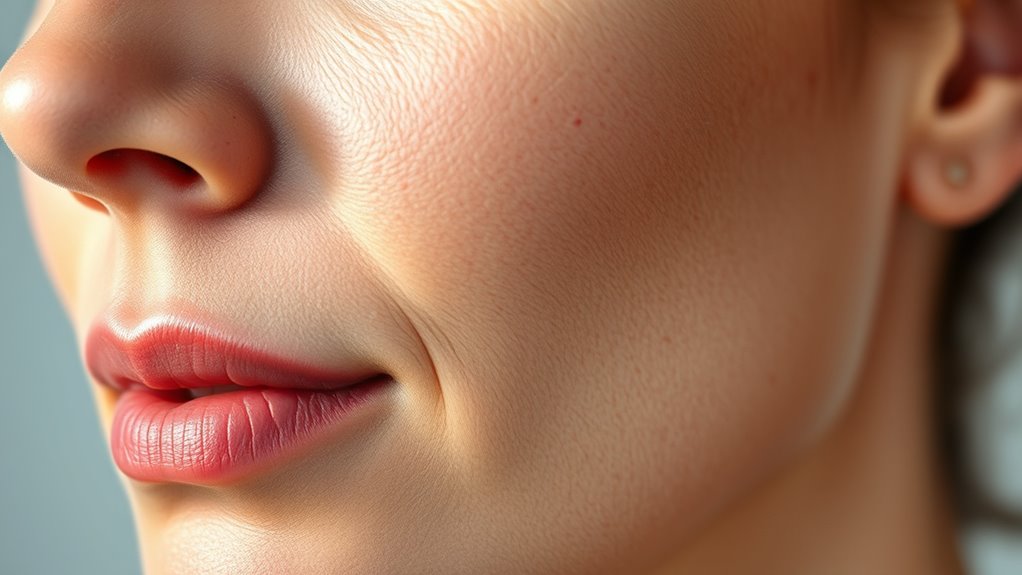
Patient selection plays a critical role in determining whether fractional laser therapy is suitable for you. Not everyone with hyperpigmentation qualifies, so your practitioner will evaluate your skin type, medical history, and the underlying cause of your pigmentation. For example, individuals with darker skin tones may have a higher risk of post-inflammatory hyperpigmentation after laser treatment, so providers might recommend alternative options or tailor the laser settings accordingly. Your overall health, skin sensitivity, and any ongoing skin conditions are also assessed to confirm you’re a good candidate. Proper patient selection guarantees that the benefits of fractional laser therapy outweigh potential risks and that you achieve ideal results.
During the consultation, your provider will explain the specific laser used and its safety features, including how it minimizes damage to surrounding tissue. They’ll also discuss your skin’s unique characteristics to customize the treatment parameters. This personalized approach enhances safety and effectiveness, especially when targeting hyperpigmentation caused by sun damage, melasma, or post-inflammatory spots. It’s important to share your full medical history and any medications you’re taking, as certain drugs can increase photosensitivity or interfere with healing. Your provider should also inform you about post-treatment care, such as sun protection, to prevent further pigmentation issues. Consulting with a qualified professional ensures that your treatment plan is tailored to your specific needs and skin type.
Ultimately, the success of fractional laser therapy depends on a combination of proper patient selection and adherence to laser safety protocols. When these elements are prioritized, you’re more likely to see significant improvement in your skin’s appearance without unnecessary risks. Always choose a qualified, experienced professional who understands your skin’s needs and follows strict safety standards. This guarantees your treatment is both safe and effective, helping you regain a more even, radiant complexion.
Frequently Asked Questions
Are Fractional Laser Treatments Suitable for All Skin Types?
Fractional laser treatments aren’t suitable for all skin types, as skin type suitability varies. You should consult with a professional to determine if your skin’s pigmentation and tone make you a good candidate. Treatment customization is key; experienced providers adjust settings based on your skin type to minimize risks and optimize results. Always prioritize a personalized approach to guarantee safe, effective hyperpigmentation reduction tailored to your unique skin.
How Soon Can I See Visible Results After Treatment?
Most clients notice visible results within 2-3 weeks after fractional laser treatment, with ideal improvements seen around 4-6 weeks. You’ll experience some treatment downtime, usually a few days of redness and swelling. To maximize results, follow post-care tips like avoiding sun exposure and moisturizing regularly. Remember, consistent care accelerates healing and helps you achieve clearer, more even skin faster.
What Are the Potential Long-Term Side Effects?
Long-term side effects from fractional laser treatments can include long-term scarring and pigmentation changes. You might notice some persistent discoloration or uneven skin texture if the skin doesn’t heal properly. To mitigate these risks, follow your provider’s post-treatment care instructions carefully. While rare, these effects can be permanent, so discussing your skin type and concerns beforehand helps ensure safe, effective results with minimal long-term issues.
Can Fractional Lasers Be Combined With Other Skin Treatments?
Yes, fractional lasers can be combined with other skin treatments, but you should discuss your goals with a dermatologist. Combining treatments like chemical peels, microneedling, or topical therapies can enhance results. These complementary procedures target different skin concerns and can be tailored to your needs. Always guarantee your provider is experienced in combining treatments safely to minimize risks and optimize your skin’s health and appearance.
What Is the Recommended Number of Sessions for Optimal Results?
Think of your skin like a garden needing regular tending. Typically, you’ll need 3 to 5 fractional laser sessions spaced 4 to 6 weeks apart for ideal results. This session frequency helps target hyperpigmentation effectively, ensuring treatment longevity. Keep in mind, individual responses vary, so your dermatologist will tailor the plan to suit your skin’s needs, helping you achieve a clearer, more even complexion over time.
Conclusion
So, you’ve invested in a fractional laser to lighten those stubborn spots—who knew a laser could be your skin’s new best friend? Ironically, after all the sun protection and skincare routines, sometimes it’s just a quick laser zap to bring back your glow. Just remember, patience is key, and even lasers need a little time to work their magic. Now, go ahead, enjoy that flawless look—laser or not!