
At-home wellness tech gadgets now cover everything from brainwave monitoring to full-body composition analysis, and the best pick depends entirely on what you’re trying to improve. The RENPHO Eyeris 3 Eye Massager earns my best overall spot for delivering immediate, felt results at a reasonable price, while the Arboleaf 8-Electrode Smart Scale stands out as the most data-rich option and the Muse 2 headband offers the deepest meditation feedback. The main tradeoff in this category is measurable data versus felt relief: tracking devices demand daily habit-building, while therapy-style gadgets pay off the moment you use them. Price is another dividing line — a $25 pulse oximeter and a $400 red light mat both belong on this list, but for completely different reasons. Keep reading for the full breakdown of all 11 gadgets and who each one actually suits.

Get wellness gear delivered free with Prime
- Fast, free delivery on millions of items
- Prime Video, Amazon Music and more included
- Member-only deals all year
Key Takeaways
- Scales dominated this roundup numerically (4 of 11 picks), but they differed more than expected — the Arboleaf 8-electrode model measures segmental muscle and fat, while the FSA-eligible Etekcity trades depth of data for insurance savings and a lower price.
- The two Pulsetto wearables split along generation lines: the V2 FIT adds sleep support and app refinements, making the V1 Lite mainly a budget entry point rather than a distinct product.
- Muse 2 and the generic EEG neurofeedback headband target the same use case, but Muse 2’s proven app ecosystem justifies its higher rank for beginners who need guided structure.
- Relief-style devices (the RENPHO eye massager and Comfytemp red light mat) delivered the fastest perceived benefit, ranking higher for casual users than data-heavy trackers.
- The pulse oximeter is the cheapest pick here — worth buying only if you have a specific health reason to monitor blood oxygen, not as a general wellness upgrade.
| RENPHO Eyeris 3 Eye Massager with Heat and Cooling |  | Best for Screen-Strain Relief | Heat Levels: 3 (104–113°F / 40–45°C) | Pressure Levels: 3 | Size Range: 18.9–27.6 in / 48–70 cm | VIEW LATEST PRICE | See Our Full Breakdown |
| EEG Neurofeedback Headband for Meditation & Brainwave Monitoring |  | Best Budget Brain Training | Sensor Type: EEG sensors | Sensor Design: Hydrogel skin-contact sensors | Connectivity: Bluetooth | VIEW LATEST PRICE | See Our Full Breakdown |
| Arboleaf Smart Scale for Body Weight, 8-Electrode Full-Body Analysis |  | Best for Serious Body Composition Tracking | Weight Capacity: 400 lb | Measurement Type: Dual-frequency BIA, 8 electrodes | Readout Accuracy: 3.2 oz | VIEW LATEST PRICE | See Our Full Breakdown |
| Etekcity Smart Scale for Body Weight and Fat, BMI, FSA Eligible |  | Best Value Smart Scale | Connectivity: Wi-Fi | Display: Colorful TFT | Metrics Tracked: Weight, BMI, body fat, heart rate, muscle gain, fat loss, and more | VIEW LATEST PRICE | See Our Full Breakdown |
| Fingertip Pulse Oximeter Blood Oxygen Saturation Monitor |  | Best Simple Health Check | Display: OLED with waveform graph | Measurements: SpO2, pulse rate, signal strength | Power: 2 x AAA batteries (included) | VIEW LATEST PRICE | See Our Full Breakdown |
| MUSE 2: Brain Sensing Headband for Meditation and Neurofeedback |  | Best for Mental Focus Training | Compatibility: iOS and Android smartphones | Metrics Measured: Brain activity, stress, heart rate | Additional Features: Sleep monitor, activity tracker, heart rate monitor | VIEW LATEST PRICE | See Our Full Breakdown |
| Comfytemp Red Light Therapy Mat for Body, 33” x 17”, 660nm & 850nm |  | Best for Full-Body Recovery | Size: 33” x 17” | LED Count: 480 | Wavelengths: 660nm & 850nm | VIEW LATEST PRICE | See Our Full Breakdown |
| Pulsetto FIT (V2) Wellness Wearable – Relaxation, Sleep & Daily Wellness Support Device |  | Best Premium Relaxation Wearable | Session Duration: 4–10 minutes | Compatibility: iOS 12.0+ and Android 6.0+ | Core Programs: 5 included, optional premium features | VIEW LATEST PRICE | See Our Full Breakdown |
| Etekcity Smart Scale for Body Weight, Body Fat, and BMI | 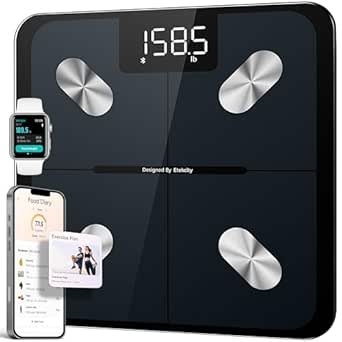 | Best Value Health Tracker | Accuracy: 0.05 lb increments | Biometrics Measured: 13 | Modes: Standard, Baby, Light Items | VIEW LATEST PRICE | See Our Full Breakdown |
| Pulsetto Lite (V1) Wellness Wearable – Relaxation & Daily Wellness Support Device |  | Best Budget Relaxation Pick | Session Duration: 4–10 minutes | Core Programs: Free | Premium Features: Available via in-app purchase | VIEW LATEST PRICE | See Our Full Breakdown |
| RENPHO Smart Scale for Body Weight with TFT Handle Display |  | Best for Serious Body Composition Tracking | Display: 4.3-inch TFT handle display | Technology: Eight-electrode dual-frequency segmental BIA | Body Metrics: Over 50, including muscle and fat analysis | VIEW LATEST PRICE | See Our Full Breakdown |
More Details on Our Top Picks
RENPHO Eyeris 3 Eye Massager with Heat and Cooling
Among relaxation gadgets in this roundup, the Eyeris 3 targets a problem most desk workers know intimately: tired, strained eyes. What separates it from wearables like the Pulsetto FIT, which works on the nervous system broadly, is its dual heat and cooling therapy — the removable gel mask adds a cooling option most eye massagers skip entirely. Voice control and Bluetooth music make sessions genuinely hands-free, and the foldable design plus storage bag make it travel-friendly.
The tradeoffs are real, though. Bluetooth features mean regular charging, and the fit range of roughly 19–28 inches excludes some head sizes. Compared with the plug-in-free simplicity of a pulse oximeter later in this list, the controls here take an evening to learn. Still, for daily screen fatigue, this pick makes the most sense.
Pros:- Both heat and cooling therapy in one device, rare at this price
- Voice control keeps sessions fully hands-free
- Folds flat and includes a storage bag for travel
- Quiet operation under 45dB won’t disturb others nearby
Cons:- Bluetooth and massage features require regular charging
- Head size range (18.9–27.6 in) may not fit very small or very large heads comfortably
- Button-and-app controls have a learning curve at first
Best for: Remote workers and heavy screen users who end the day with eye strain and tension headaches
Not ideal for: Buyers seeking passive, always-on wellness tracking — this is a dedicated 15-minute ritual device, not a wearable
- Heat Levels:3 (104–113°F / 40–45°C)
- Pressure Levels:3
- Size Range:18.9–27.6 in / 48–70 cm
- Noise Level:Under 45dB
- Connectivity:Bluetooth
- Included Accessories:Removable cooling gel mask, storage bag
Our verdict“Buy this if daily screen fatigue is your number one complaint and you want a spa-style ritual rather than a passive tracker.”
EEG Neurofeedback Headband for Meditation & Brainwave Monitoring
This EEG headband occupies the same category as the Muse 2 but positions itself as the lower-cost entry into neurofeedback. Like the Muse, it reads real-time brainwave activity through skin-contact sensors and turns meditation into a feedback loop — you hear or see how calm your mind actually is, which is far more instructive than a timer app. The hydrogel sensors are its standout comfort feature, holding a stable signal without the pressed-forehead feeling of rigid dry electrodes.
The compromise versus the Muse 2 is depth: this option is focused squarely on meditation, focus, and sleep preparation, without the broader breathing and heart-rate tracking of its pricier rival. It also depends entirely on a smartphone app and Bluetooth, and battery life is undocumented — worth confirming before committing to daily sessions. For curious beginners, though, this model is better suited than paying Muse prices to find out if neurofeedback clicks.
Pros:- Real-time EEG feedback makes meditation progress measurable
- Hydrogel sensors stay comfortable and maintain signal stability
- Progress tracking builds a training history over weeks
- Guided exercises lower the barrier for meditation newcomers
Cons:- Fully dependent on a smartphone and Bluetooth connection
- Scope is limited to meditation and focus — no heart or breath data
- No published battery life specifications
Best for: Meditation beginners who want objective brainwave feedback without paying Muse-level prices
Not ideal for: Data-hungry biohackers wanting multi-signal tracking (heart rate, breath, motion) in one device
- Sensor Type:EEG sensors
- Sensor Design:Hydrogel skin-contact sensors
- Connectivity:Bluetooth
- Suitable For:Meditation, focus, relaxation, sleep preparation
- Compatibility:Smartphone app
- Training Features:Guided meditation, neurofeedback exercises, progress tracking
Our verdict“A sensible first step into brain training if you want proof your meditation is working, before spending Muse money.”
Arboleaf Smart Scale for Body Weight, 8-Electrode Full-Body Analysis
The Arboleaf is the most analytically ambitious scale in this lineup. Its 8-electrode, dual-frequency BIA system measures through both hands and feet, which means it can estimate segmental data — muscle and fat distribution by limb — that the Etekcity Smart Scale in this roundup simply cannot approximate with foot-only contact. With 50+ app metrics, trend history, and family profiles with auto recognition, this option stands out for households tracking fitness transformations over months, not just morning weigh-ins.
Buyers should keep expectations calibrated: BIA is an estimation technology, so numbers drift with hydration and positioning — this is a trend tool, not a DEXA scan replacement. Setup demands proper zeroing and app pairing, and like all impedance scales it’s off-limits for pacemaker users and pregnant women. Compared with the Etekcity’s friendlier price and voice control, this model trades simplicity for depth.
Pros:- 8-electrode dual-frequency BIA captures arm, leg, and trunk data separately
- App unlocks 50+ metrics with trend history and report sharing
- Unlimited user profiles with automatic recognition
- 400 lb capacity with 3.2 oz readout accuracy
Cons:- Impedance estimates can vary with hydration and placement — not medical-grade data
- Requires deliberate app setup and zeroing for reliable readings
- Unsafe for people with pacemakers or during pregnancy
Best for: Fitness-focused households and strength trainers who want segmental muscle and fat trends over time
Not ideal for: Pregnant users, pacemaker wearers, or anyone who just wants a quick weight number without app setup
- Weight Capacity:400 lb
- Measurement Type:Dual-frequency BIA, 8 electrodes
- Readout Accuracy:3.2 oz
- Display:LED (7 key stats)
- App Features:50+ metrics, trend history, family profiles, report sharing
- Form Factor:Floor scale
- Material:ABS
Our verdict“The pick for buyers who treat body composition as a long-term project and want limb-by-limb detail no foot-only scale can offer.”
Etekcity Smart Scale for Body Weight and Fat, BMI, FSA Eligible
Where the Arboleaf goes deep on analysis, the Etekcity wins on practicality and price. It covers the metrics most people actually check — weight, BMI, body fat, heart rate, muscle versus fat trends — and its Wi-Fi syncing means readings land in Apple Health, Google Fit, or MyFitnessPal automatically, with no phone in hand at weigh-in. The FSA eligibility is a genuinely rare perk in this category, letting buyers spend pre-tax health funds. A colorful TFT display with foot-placement guidance rounds out a friendlier daily experience than the Arboleaf’s data-dense approach.
The honest tradeoff: foot-only electrodes limit accuracy on segmental body composition, and full functionality leans on a Wi-Fi network plus the VeSync app, which some buyers find fiddly at setup. Compared with the RENPHO handle-display scale in this roundup, this model is better suited to casual trackers than physique athletes.
Pros:- FSA/HSA eligible — a rare money-saving feature for wellness tech
- Wi-Fi auto-sync to Apple Health, Google Fit, FitBit, MyFitnessPal, and Samsung Health
- Bright TFT display guides proper foot placement for consistency
- Alexa voice control for hands-free queries
Cons:- Wi-Fi connection required for full functionality
- App setup can feel convoluted for less tech-comfortable users
- Foot-only electrodes are less precise than 8-electrode systems like the Arboleaf
Best for: Budget-conscious buyers who want app-synced daily metrics and can pay with FSA funds
Not ideal for: Users without reliable Wi-Fi or patience for app onboarding — the scale loses much of its appeal offline
- Connectivity:Wi-Fi
- Display:Colorful TFT
- Metrics Tracked:Weight, BMI, body fat, heart rate, muscle gain, fat loss, and more
- App Compatibility:VeSync, Apple Health, Google Fit, FitBit, MyFitnessPal, Samsung Health
- Voice Control:Alexa compatible
- FSA Eligible:Yes
- Color:Black
Our verdict“The smartest value if you want set-and-forget weight and body-fat trends syncing to your health apps for under typical smart-scale prices.”
Fingertip Pulse Oximeter Blood Oxygen Saturation Monitor
In a roundup full of app-dependent gadgets, this pulse oximeter is the refreshingly analog counterpoint — though refresh comes from simplicity here, not novelty. Clip it on, press one button, and SpO2 and pulse rate appear on a bright OLED screen with a waveform graph in seconds. No pairing, no account, no Wi-Fi — a stark contrast to the Etekcity scale’s multi-step onboarding or the EEG headband’s smartphone tether. Batteries and a lanyard ship in the box, so it works out of the packaging.
Its limits define its place. This is a spot-check wellness tool, not a medical monitor — readings can wobble with cold hands, nail polish, or poor circulation, and AAA batteries aren’t rechargeable. It also does exactly one job, unlike multi-metric devices like the Arboleaf. As a cheap, grab-and-go layer for athletes at altitude or anyone monitoring recovery, this pick makes the most sense as a complement, not a centerpiece.
Pros:- One-button operation with results in seconds — zero setup
- Bright OLED display includes a live waveform graph
- Extremely portable with included lanyard for travel and gym bags
- Batteries included, ready to use immediately
Cons:- Disposable AAA batteries with no rechargeable option
- Accuracy degrades with cold fingers, nail polish, or poor circulation
- Single-purpose device — no trends, history, or app tracking
Best for: Athletes training at altitude, hikers, and anyone wanting occasional oxygen and pulse spot-checks without any app
Not ideal for: Buyers managing respiratory conditions who need clinical-grade continuous monitoring — this is a wellness device only
- Display:OLED with waveform graph
- Measurements:SpO2, pulse rate, signal strength
- Power:2 x AAA batteries (included)
- Operation:Single button
- Auto Power-Off:Yes
- Included:Lanyard, instruction manual, batteries
Our verdict“A five-dollar-of-effort health check for anyone who wants quick oxygen readings with no app, no charging cable, and no fuss.”
MUSE 2: Brain Sensing Headband for Meditation and Neurofeedback
Among the wearables in this roundup, the MUSE 2 is the only one that measures what’s actually happening in your head. Using real-time EEG neurofeedback, it turns meditation from guesswork into a measurable practice, translating brain activity into calming scores you can track over time. Compared with the Pulsetto FIT (V2), which passively stimulates relaxation, the MUSE 2 is a training tool — it teaches you to calm your own mind rather than doing the work for you. That makes it better suited to people serious about building a meditation habit, though the required app setup and Bluetooth connection mean it’s never a grab-and-go device. It also tracks sleep, heart rate, and activity, giving it broader wellness coverage than a single-purpose gadget.
Pros:- Real-time EEG neurofeedback makes meditation progress measurable
- Session tracking and calming scores reward consistency
- Works with both iOS and Android
- Adds sleep, heart rate, and activity tracking beyond meditation
Cons:- Requires Bluetooth connection and app setup for every session
- No built-in display, so all feedback lives on your phone
- Not water resistant, limiting when and where you can wear it
Best for: Meditators who want objective, data-driven feedback on their practice rather than guided audio alone
Not ideal for: Anyone wanting a screen-free, app-free relaxation device — this headband is fully dependent on smartphone pairing
- Compatibility:iOS and Android smartphones
- Metrics Measured:Brain activity, stress, heart rate
- Additional Features:Sleep monitor, activity tracker, heart rate monitor
- Feedback Type:Real-time EEG neurofeedback
- Water Resistance:Not water resistant
- Color:Black/Grey
Our verdict“Serious meditation practitioners who want proof their practice is improving will get the most from the MUSE 2; casual users who just want to relax should look at the Pulsetto options instead.”
Comfytemp Red Light Therapy Mat for Body, 33” x 17”, 660nm & 850nm
Most items in this roundup are wearables or scales — the Comfytemp Red Light Therapy Mat is the only passive recovery tool here, and that’s its whole appeal. With a 33” x 17” treatment surface and 480 LEDs across both 660nm visible red and 850nm infrared wavelengths, it covers large muscle groups in a single session, something a handheld device or the Pulsetto FIT (which targets relaxation, not physical recovery) simply can’t do. The 4 modes and 3 intensity levels let you dial in comfort, and operation is refreshingly simple. The tradeoff is logistics: this is a mat, not a gadget you toss in a drawer. Storage takes real space, travel is awkward, and unlike the MUSE 2, there’s no app, tracking, or progress data — you’re trusting the routine, not the numbers.
Pros:- Large 33” x 17” coverage treats multiple muscle groups at once
- Dual wavelengths (660nm and 850nm) for surface and deeper tissue
- 480 LEDs deliver even light distribution
- 4 modes and 3 intensity levels for personalized sessions
Cons:- Bulky footprint makes storage and travel inconvenient
- No app integration or session tracking, unlike the smart wearables in this guide
- Detailed power and safety certifications aren’t clearly specified
Best for: Athletes and people with chronic muscle soreness who want broad red light coverage without clinic visits
Not ideal for: Apartment dwellers with no storage space or frequent travelers — the 33-by-17-inch mat doesn’t fold into a bag easily
- Size:33” x 17”
- LED Count:480
- Wavelengths:660nm & 850nm
- Modes:4
- Intensity Levels:3
- Type:Flexible body mat
Our verdict“If physical recovery matters more to you than mindfulness tracking, this mat delivers the most therapeutic coverage per dollar in the roundup.”
Pulsetto FIT (V2) Wellness Wearable – Relaxation, Sleep & Daily Wellness Support Device
The Pulsetto FIT (V2) sits at the top of the relaxation-wearable pair in this roundup, and the differences from its sibling matter. It’s ergonomically refined, European-developed, and comes with five core programs out of the box — a step up from the Pulsetto Lite, which ships with fewer onboard options and pushes more of its functionality into paid premium tiers. Sessions run just 4–10 minutes, which makes daily use realistic in a way that a 20-minute meditation with the MUSE 2 might not be. The catch is the same one that affects the Lite: the wearable is only as good as its app, so full customization demands a smartphone, and the best features sit behind in-app purchases. Compared with the Comfytemp mat, it trades physical recovery coverage for convenience and portability.
Pros:- Short 4–10 minute sessions fit easily into a daily routine
- Five core programs included, more than the Lite version
- Lightweight, ergonomic design comfortable for daily wear
- Works with iOS 12.0+ and Android 6.0+ devices
Cons:- Non-invasive pulse therapy only — no biometric tracking like the MUSE 2
- Full customization requires a paired smartphone
- Premium features may require additional in-app purchases
Best for: Busy professionals who want a quick, app-guided relaxation routine at home or while traveling
Not ideal for: Buyers who dislike subscription-adjacent ecosystems — meaningful features sit behind optional in-app purchases
- Session Duration:4–10 minutes
- Compatibility:iOS 12.0+ and Android 6.0+
- Core Programs:5 included, optional premium features
- Design:Lightweight, ergonomic
- Developed In:Europe
- App:Pulsetto App for customization and tracking
Our verdict“This is the relaxation wearable to buy if you want the most complete out-of-box experience; budget buyers should compare it against the cheaper Pulsetto Lite first.”
Etekcity Smart Scale for Body Weight, Body Fat, and BMI
At its price point, the Etekcity Smart Scale is the easiest entry into home health data in this lineup. It measures 13 biometrics with 0.05 lb precision, syncs with Apple Health, Google Fit, FitBit, Samsung Health, and MyFitnessPal, and supports unlimited household users with privacy separation — a family-friendly touch that more specialized options like the 8-electrode Arboleaf Smart Scale don’t handle as gracefully at this price. It even includes baby and light-item weighing modes, extending its usefulness beyond body composition. Compared with the premium Arboleaf, this scale trades full-body electrode analysis for affordability and app breadth, which is the right trade for most casual trackers. The main friction is that the scale alone is just a scale — you’ll need to complete app syncing to see anything beyond weight.
Pros:- 13 biometrics tracked with 0.05 lb precision
- Broad app compatibility including Apple Health, FitBit, and MyFitnessPal
- Unlimited user profiles with privacy features
- Baby and light-item weighing modes add household versatility
Cons:- Full biometric readouts require app synchronization
- Battery life and long-term durability details are thin
- Some features need additional setup steps out of the box
Best for: Families and casual health trackers who want multi-user body composition data on a budget
Not ideal for: Data-focused athletes who need clinical-grade full-body composition analysis — the 8-electrode Arboleaf is the better tool for that job
- Accuracy:0.05 lb increments
- Biometrics Measured:13
- Modes:Standard, Baby, Light Items
- Compatibility:Apple Watch, Apple Health, Samsung Health, Google Fit, FitBit, MyFitnessPal
- Users:Unlimited with privacy features
- FSA Eligible:Yes
Our verdict“For most households, this scale hits the sweet spot of price, app support, and multi-user convenience — buy it unless you need electrode-level body composition accuracy.”
Pulsetto Lite (V1) Wellness Wearable – Relaxation & Daily Wellness Support Device
The Pulsetto Lite is the entry point to pulse-based relaxation, and its pitch is simple: short, app-guided sessions with free core programs at a lower price than the Pulsetto FIT (V2). If you’re curious whether this category of wellness tech works for you at all, the Lite is the sensible first step — you get the same 4–10 minute session format and app-based customization without paying for the V2’s refinements. The tradeoffs are real, though. The feature set is thinner than the FIT’s five-program package, the premium experience lives behind in-app purchases, and published specs on battery life and device size are sparse, which makes pre-purchase comparison frustrating. Compared with the MUSE 2, it’s far less demanding as a daily habit, but it also teaches you nothing — there’s no feedback loop, just the session itself.
Pros:- Lower-cost entry into the Pulsetto ecosystem
- Free core programs included without mandatory subscription
- Short sessions make daily use easy to sustain
- Portable enough for home or travel use
Cons:- Fewer included programs than the Pulsetto FIT (V2)
- Best features locked behind in-app purchases
- Battery life and device dimensions are not clearly documented
Best for: First-time buyers testing whether relaxation wearables fit their routine before spending more
Not ideal for: Detail-oriented shoppers who want full spec sheets and rich out-of-box features — the FIT (V2) or MUSE 2 serve them better
- Session Duration:4–10 minutes
- Core Programs:Free
- Premium Features:Available via in-app purchase
- App Compatibility:Yes, Pulsetto App
- Portability:Suitable for home or on-the-go use
- Version:V1 (Lite)
Our verdict“A low-risk way to try relaxation wearables — but if you already know you’ll use it daily, spend up for the Pulsetto FIT (V2) instead.”
RENPHO Smart Scale for Body Weight with TFT Handle Display
Most smart scales in this roundup, like the Etekcity Smart Scale and the Arboleaf 8-Electrode model, keep their data on your phone and give you a bare weight readout on the platform. This RENPHO takes a different approach: the 4.3-inch TFT handle display puts a full breakdown of over 50 body metrics right in your hands at weigh-in, which changes how you interact with the data. Instead of stepping off and opening an app, you see muscle and fat analysis immediately.
The tradeoff is complexity. The handle adds a step to every weigh-in and Bluetooth pairing plus app setup is mandatory before anything useful appears. Compared with the Arboleaf, which offers similar eight-electrode precision in a simpler footprint, this option makes the most sense for people who want segmental, dual-frequency BIA analysis and will actually read it. Casual users just logging weight will find it overbuilt.
Pros:- Handle display shows detailed muscle and fat data instantly at weigh-in
- Eight-electrode dual-frequency segmental BIA is more accurate than foot-only scales
- Unlimited user profiles make it practical for families or shared households
- Up to 150 days of battery life with convenient USB-C charging
Cons:- Requires Bluetooth pairing and app setup before the scale is useful
- Handle-based weighing routine is less intuitive than simply stepping on the platform
- No listed price makes it hard to judge value against simpler scales like the Etekcity
Best for: Fitness enthusiasts and households where multiple people track detailed body composition trends over time
Not ideal for: Anyone who just wants a quick daily weight number without app setup — the handle routine and pairing process add friction they won’t want
- Display:4.3-inch TFT handle display
- Technology:Eight-electrode dual-frequency segmental BIA
- Body Metrics:Over 50, including muscle and fat analysis
- Weight Capacity:400 lbs
- Platform Size:14.08 x 12.2 inches
- Charging:USB-C
- Battery Life:Up to 150 days
Our verdict“Buy this if detailed, segmental body composition data is central to your fitness routine — skip it if you only want an occasional weight check.”
How We Picked
I evaluated these 11 gadgets against four buyer-relevant criteria. Immediate usefulness came first: does the device produce a benefit the average person can feel or see within the first week, or does it require weeks of habit-building before paying off? Data quality and accuracy came second — for tracking devices like smart scales and oximeters, I looked at measurement technology (8-electrode versus 4-electrode BIA, for example) and how trustworthy the numbers actually are for decision-making. Usability and app experience mattered heavily, because a wellness gadget that lives in a drawer helps nobody; devices with polished, stable apps ranked above those with clunky software. Finally, I weighed price-to-benefit ratio against realistic alternatives, since a $300 device needs to meaningfully beat what a $50 option or a free habit can do.
The ranking order also reflects a deliberate logic: devices with broad appeal and low friction sit near the top, while specialized tools that serve narrower needs appear lower. Where two products overlap directly — the two Pulsetto models, the two EEG headbands, or the three budget smart scales — I ranked them relative to each other so the head-to-head differences are obvious. No gadget earned its place without at least one meaningful drawback noted, because tradeoffs are what make a buying guide useful.
Factors to Consider When Choosing At-home Wellness Tech Gadgets
Wellness tech is one of the easiest categories to overspend in, because marketing promises transformation while the devices themselves often solve narrow problems. Before buying any of the 11 gadgets above, think through these factors — they explain why some picks rank high despite modest specs, and why expensive options sometimes disappoint.
Tracking Devices Versus Therapy Devices
The single biggest decision is whether you want to measure wellness or improve it directly. Smart scales, oximeters, and EEG headbands are measurement tools — they only help if you actually change your behavior based on the data, which means committing to daily or weekly routines for months. Therapy-style devices like the eye massager and red light mat deliver a felt experience on day one, but their long-term benefits are harder to verify and depend on consistent use too. A common mistake is buying a tracker expecting motivation to arrive with the package; if you’ve abandoned fitness apps before, a scale with fifteen metrics won’t change that pattern. My advice: buy a therapy device if you want immediate stress relief, and buy a tracker only if you already have a specific number-driven goal, like lowering body fat percentage or improving meditation consistency.
Subscription Traps and True Cost of Ownership
Several devices in this category — particularly neurofeedback headbands and app-connected wearables like the Pulsetto line — gate core features behind monthly or annual subscriptions. The sticker price can look reasonable until you realize the app features that make the device worthwhile cost $50–$100 per year forever. Before buying, check whether the device functions meaningfully without a subscription, and calculate the three-year total cost, not just the purchase price. Smart scales are generally the safest here since their apps are typically free, which is one reason they hold their value well. If a subscription is required, confirm it covers the features you actually want rather than premium content you’ll never open.
Measurement Accuracy: Know What You’re Paying For
Consumer bioimpedance scales, regardless of brand, estimate body composition rather than measure it directly — even the 8-electrode Arboleaf gives trends, not clinical-grade numbers. What more electrodes genuinely buy you is segmental data: the ability to see muscle and fat distribution across limbs and torso rather than a single whole-body estimate. That matters for athletes and people recovering from injury, but it’s overkill for someone who just wants their weight tracked automatically. The same logic applies to pulse oximeters and EEG headbands — accuracy matters most when a device informs decisions, and least when it merely satisfies curiosity. Match the precision level to how you’ll actually use the data, and don’t pay double for decimal places you’ll never act on.
App Quality Determines Whether the Gadget Survives
A wellness device is really two products: the hardware and the software, and the app experience usually decides long-term success. Before committing, download the app and read reviews from the past six months — companies frequently redesign apps in ways that break older devices, and abandoned apps are a chronic problem in this space. Look for signs of active development: regular update notes, responsive support, and compatibility with both major phone platforms. Devices from established brands like RENPHO and Etekcity tend to have more stable ecosystems, which partially explains why they rank highly despite cheaper generic alternatives existing. A brilliant sensor paired with a broken app is just an expensive paperweight.
Space, Setup, and Household Fit
Consider where each device physically lives in your home. The Comfytemp red light mat is 33 by 17 inches — fine for targeted use, but you need floor or bed space and a power outlet, and sessions require you to lie still for 10–20 minutes. Smart scales need a flat, hard surface to read accurately, so carpeted bedrooms rule them out unless you add a hard platform. Wearables like the Pulsetto are the most space-efficient but introduce charging routines. Multi-user households should check whether the device supports separate profiles; scales with automatic user recognition save real friction compared to models that log everyone’s data into one account. Match the device to your living situation, not just your goals.
When to Pay More — and When It’s Wasted Money
Paying more makes sense when it buys a genuinely different capability, not a marginal upgrade: the jump from a basic weight-only scale to bioimpedance analysis, or from the Pulsetto Lite to the V2 FIT’s sleep features, changes what the device can do. It rarely makes sense when you’re paying for brand polish on identical functionality — the two budget Etekcity scales differ mainly in FSA eligibility and display style, not performance. Red light therapy is another area where price inflation is common; wavelengths and diode count matter more than the logo. A useful rule: if you can’t articulate what the premium version does that the cheaper one doesn’t, in one sentence, keep your money. The best-value picks in this lineup exist precisely because that sentence often doesn’t exist.
Frequently Asked Questions
Is the Muse 2 worth it if I’ve never meditated before?
That depends on your honest answer to one question: will you actually sit down and meditate several times a week? The Muse 2 gives excellent real-time feedback on brain activity during meditation, which helps beginners understand whether they’re actually focusing or just sitting quietly — that feedback loop is genuinely useful for building the habit. However, the generic EEG neurofeedback headband on this list costs noticeably less and covers similar ground, so if you’re unsure about your commitment, starting there or with a free app makes more financial sense. The Muse 2 makes the most sense for people who have already tried meditation, liked the concept, and want measurable progress to stay motivated. Complete beginners who buy it often end up with an expensive headband in a drawer by month three. Treat it as an amplifier for an existing intention, not a source of motivation on its own.
Do I need an 8-electrode scale, or is a 4-electrode smart scale enough?
An 8-electrode scale like the Arboleaf passes current through the hands and feet, which lets it estimate segmental composition — how much muscle and fat each limb and your torso carry. That information is valuable for strength athletes, people rehabilitating an injury, or anyone tracking asymmetric training results. A 4-electrode scale like the Etekcity models only measures through the feet and extrapolates upward, so its body fat estimates are rougher and it can’t tell you anything about distribution. For general health tracking — watching weight trends, getting a rough body fat ballpark, syncing with a fitness app — the 4-electrode options are honestly sufficient and cost half as much. The practical middle ground: if you’d ever make a training decision based on segmental data, buy the 8-electrode; if you just want the number to trend down, save your money. Neither type replaces a DEXA scan for clinical accuracy.
What’s the actual difference between the Pulsetto FIT V2 and the Pulsetto Lite V1?
The V2 FIT is the current-generation device and adds sleep-focused programs alongside its relaxation modes, plus a more refined app experience and generally better battery management. The Lite V1 covers the core vagus nerve stimulation function for daily stress relief but uses the older app flow and lacks the sleep-specific protocols. Both work through the neck-worn design and both integrate with the subscription-based app, which applies to either version — so check that recurring cost before choosing either one. The Lite makes sense as a low-commitment entry point if you’re curious about this category but skeptical, since you lose relatively little core functionality. The FIT V2 is the better pick if disrupted sleep is one of your main complaints, because that’s exactly where the extra money goes. If sleep isn’t part of your goal, the price gap is harder to justify.
Does a red light therapy mat actually do anything, or is it hype?
The research on red and near-infrared light is real but narrower than marketing suggests — the strongest evidence supports localized benefits like skin health, minor muscle recovery, and joint discomfort, mostly from clinical-grade devices used consistently over weeks. A consumer mat like the Comfytemp with 660nm and 850nm wavelengths uses the right wavelengths, but its power output is far below clinical panels, so expect modest, gradual results rather than dramatic change. The realistic value proposition is a relaxing 15-minute daily routine that may deliver modest benefits, not a medical treatment. If you have a specific condition you’re hoping to treat, see a professional first rather than self-treating with a consumer mat. As a wellness ritual with possible physiological upside, it’s a reasonable purchase — just calibrate expectations before spending.
Which of these gadgets are FSA/HSA eligible?
Among this lineup, the Etekcity FSA-eligible smart scale is the explicit standout — eligibility is in its product listing, and you can pay with pre-tax FSA or HSA funds, which effectively cuts the real cost by your tax rate. Pulse oximeters are frequently eligible as well, though it varies by retailer and you may need a letter of medical necessity for full reimbursement. Devices marketed as general wellness products — the eye massager, EEG headbands, red light mat, and Pulsetto wearables — typically are not eligible, because the IRS requires a medical purpose rather than general wellbeing. This matters for budgeting: if a scale is on your list anyway, choosing the FSA-eligible Etekcity over an identical-priced competitor is free savings. Check eligibility at the point of purchase rather than assuming, since retailers update their eligible-product lists periodically.
Conclusion
After comparing all 11 gadgets, the right choice maps cleanly to buyer type. For best overall, the RENPHO Eyeris 3 Eye Massager wins because it delivers immediate, felt relief with heat and cooling, works for nearly anyone, and costs far less than premium trackers. For best value, the FSA-eligible Etekcity smart scale is hard to beat — automatic tracking, a solid app, and pre-tax payment make it the smartest dollar-for-dollar purchase here. The Arboleaf 8-electrode scale takes best premium for serious athletes who need segmental muscle and fat data no budget scale can provide. For beginners, the Muse 2 is the strongest entry into meditation tech thanks to its guided, structured app — or the Pulsetto Lite if stress relief interests you more than meditation. For specific needs: the pulse oximeter for anyone monitoring a respiratory condition, the Comfytemp red light mat for recovery-focused users willing to commit to daily sessions, and the RENPHO TFT-handle scale for households that want detailed readings without opening an app. Whatever you pick, buy for the habit you actually have — not the one you hope a gadget will create.