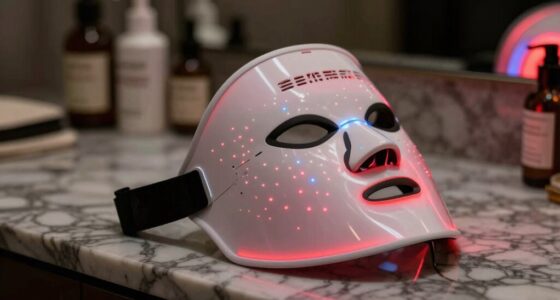
Light therapy can be a highly effective way to improve sleep disorders by resetting your internal clock and boosting melatonin regulation. By spending about 20-30 minutes each morning with a lightbox, you help realign your sleep-wake cycle, making it easier to fall asleep and wake up refreshed. It’s especially helpful for delayed sleep phase or seasonal affective disorder. If you want to learn how to use it correctly and get the best results, keep exploring the details.
Key Takeaways
- Light therapy helps reset circadian rhythms, improving sleep patterns disrupted by irregular schedules or shift work.
- Morning exposure to bright light can advance sleep timing for delayed sleep phase disorder.
- Regular use of light therapy can enhance sleep quality and daytime alertness in various sleep disorders.
- It effectively alleviates seasonal affective disorder, which can also impact sleep health.
- Proper timing and consistency of light exposure optimize melatonin regulation, promoting better sleep and mood.
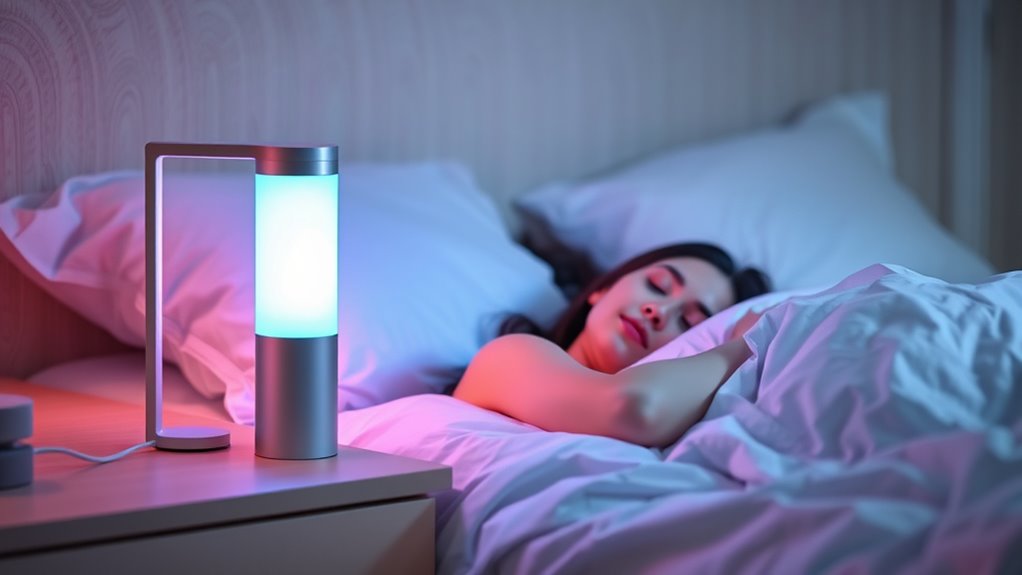
Light therapy has become a popular and effective treatment option for sleep disorders, especially for those who struggle with circadian rhythm disruptions or seasonal affective disorder. When you’re exposed to bright light at specific times, it helps reset your internal clock, known as your circadian rhythm. This internal clock governs your sleep-wake cycle, influencing when you feel alert and when you feel sleepy. If your circadian rhythm is out of sync due to irregular sleep schedules, shift work, or lack of natural light exposure, you may experience difficulties falling asleep, waking up feeling unrefreshed, or feeling overly tired during the day. Light therapy offers a way to realign this rhythm by providing controlled, intense light exposure, typically through a lightbox or specialized lamp.
The key to its effectiveness lies in its ability to influence melatonin regulation. Melatonin is a hormone your body produces in response to darkness, signaling to your brain that it’s time to sleep. When you’re exposed to bright light, especially in the morning, it suppresses melatonin production, helping you feel more alert during the day. Conversely, reducing light exposure in the evening allows melatonin levels to rise, preparing your body for sleep. With light therapy, you can strategically time your exposure to optimize melatonin regulation. For example, if you’re experiencing delayed sleep phase disorder, morning light therapy can help advance your sleep schedule by suppressing melatonin earlier in the day. If you suffer from seasonal affective disorder, bright light exposure during the darker months can lift your mood and improve your sleep patterns by restoring proper melatonin rhythms.
Using light therapy consistently and at the right times is critical to achieving the best results. You typically sit in front of a lightbox for about 20-30 minutes each morning, ensuring the light reaches your eyes without staring directly into it. It’s important to follow recommended guidelines to avoid side effects like eyestrain or headaches. Over time, this regular exposure helps your body synchronize its melatonin production with your desired sleep-wake schedule, making falling asleep easier and improving overall sleep quality. Since your circadian rhythm is deeply connected to your sleep health, managing it through light therapy can provide a natural, non-invasive way to address various sleep disorders. When used correctly, it can markedly improve your sleep patterns, daytime alertness, and overall well-being.
Frequently Asked Questions
Are There Any Side Effects From Light Therapy?
You might experience some side effects from light therapy, such as eye strain, headaches, or feeling irritable. It can also temporarily disrupt your circadian rhythm if not used properly. However, most people tolerate it well. Light therapy can boost Vitamin D synthesis indirectly, but be sure to follow recommended guidelines to minimize side effects and align it with your natural sleep cycle for the best results.
How Long Does It Take to See Results?
You can expect to see results from light therapy within a few days to a couple of weeks, depending on your timing expectations and treatment duration. Usually, consistent use in the morning helps reset your sleep cycle faster. While some notice improvements in a week, others may take longer. Staying patient and adhering to your schedule enhances your chances of experiencing the benefits sooner rather than later.
Can Light Therapy Replace Medication?
Yes, light therapy can be an effective alternative treatment for sleep disorders, but it usually doesn’t fully supplant medication. Its therapy effectiveness varies depending on the individual and condition. You might find it helpful as part of a thorough approach, combining lifestyle changes and other therapies. Always consult your healthcare provider to determine if light therapy suits your needs and to guarantee safe, effective treatment tailored to your situation.
Is Light Therapy Safe for Children?
Yes, light therapy can be safe for children when used properly, but you should always prioritize child safety. Parental concerns are valid, so consult a healthcare professional before starting treatment. Confirm the light device is designed for children and follow the recommended guidelines. Monitoring your child’s response and adjusting as needed helps prevent any side effects. Always keep safety as your top priority to ensure effective and secure therapy.
What Types of Light Are Most Effective?
Think of your circadian rhythm as a delicate dance, and the right light is your spotlight. Blue-enriched light, with its specific wavelength, shines brightest in resetting this rhythm. It’s the most effective because it mimics natural daylight, signaling your body to wake or wind down. To harness its power, opt for light bulbs or devices that emit this wavelength, guiding your internal clock back into harmony.
Conclusion
So, next time you’re tossing and turning, maybe don’t just count sheep—try some light therapy. It’s amusing how a simple glow can sometimes outshine the chaos of sleepless nights. Who knew that a bit of sunshine indoors might be your ticket to better sleep? So, don’t dismiss it just yet—after all, a little light might be just what you need, even if it’s not as glamorous as a bedtime story.